


The Ultimate Guide to Sourcing Products for Retail & eCommerce
The current scenario of retail and eCommerce industry success lies in competitive product pricing, impressive customer service, and a seamless payment process. However, one of the core factors to business sales is product sourcing, the backbone of such online and offline stores, to maintain and improve quality and meet customer demands. Whether you are a new entrepreneur starting your first online shop or an experienced retailer seeking to expand your inventory, efficient product sourcing and procurement are essential to increase the chances of revenue and success across international borders.
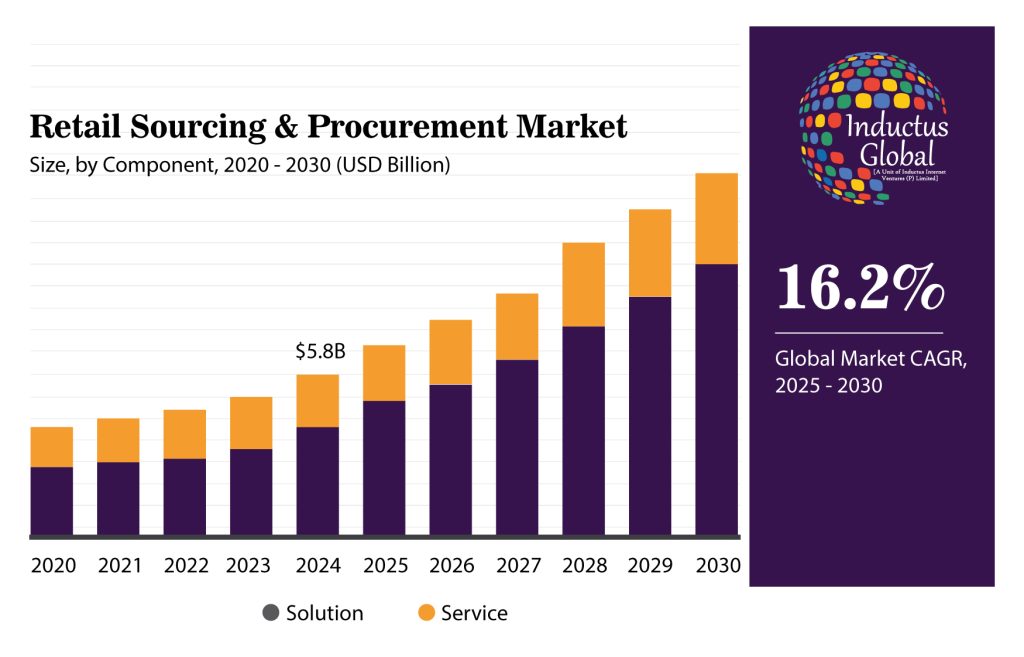
The global retail sourcing and procurement market size was valued at $5.82 billion in 2024 and is likely to continue increasing in 2025 and beyond. This figure makes it necessary for retail and e-commerce businesses to pick the right products to sell and locate at the right cost from suitable vendors. The market is expected to grow at a CAGR of 16.2% from 2025 to 2030. Therefore, investing in effective product sourcing will be beneficial for this industry.
Here’s an elaborative guide for the correct product sourcing management process:
1. Understanding Your Need
Understanding your niche and targeted market is essential in the retail and eCommerce industry. You must identify the profit margins you set to achieve, the market opportunity, trends for that particular commodity, and the legal compliance you must adhere to for smooth business operations. Market research plays a significant role here, analyzing trends, identifying gaps, and forecasting demand of specific demographics.
2. Product Sourcing
The next step is finding and purchasing products to sell, typically wholesale. It might be an intimidating task since, as you put your foot down to source the finalized commodity, you will find ample options. Multiple levels of decision-making, market analysis, supplier assessment, and logistical coordination always remain a priority. You need to decide from whom you have to source the products.
Here are some options :
- Direct from Manufacturers: You must find who manufactures what and where and then contact the supplier or vendor directly for the product order. For that, gaining information from local people or markets, going through online reviews, and searching trade magazines can assist. Sourcing directly from manufacturers might make room for customization and control over production with lower costs. However, it demands higher order volumes and might require handling language and cultural differences.
- From Wholesalers: They are the bulk procurers of the commodity, facilitating lower costs, control over quality, on-time supply, and reduced logistics costs as they have well-established logistics networks across the country. They can provide the best and most accurate market insights about product demand, trends, and consumer preferences. Suppose the commodity you have decided on is already well-established in the market. In that case, wholesalers will be the best option for sourcing, but the room for customization will shrink.
- Local Artisans or Producers: These people are the foundation for sustainable, culturally rich, and community-driven supply chains. Sourcing and procurement from local craftsmen not only preserves cultural heritage and talent but also supports local economies and the authenticity of products. The products are extremely unique and high quality, as per the requirements, which also share local stories. The volume of goods supplied will be low, and it’s most appropriate for small businesses with limited demand.
3. Product Customization
To make yourself different from the existing market, you need to innovate and design the product most attractively. This can include captivating packaging, aesthetic logos or engravings, adding specific features or functions, and tailoring products to meet unique use cases. Engaging third-party inspection services to verify the quality of customized products before they are shipped is crucial to maintaining high standards to ensure consistency and customer satisfaction.
4. Business Negotiation
- Negotiation strategies can assist you in attaining the best pricing, quality, and delivery terms. Effective negotiation is done when your terms and suppliers’ ability to fulfill your terms match.
- Clearly defining your terms on pricing, minimum order quantity (MOQ), delivery deadlines, and payment dates allows you to measure credibility and stay focused. Create mutually beneficial deals emphasizing long-term relationships for steady business and joint growth opportunities.
- Ensuring that all contracts are documented in writing, as this simplifies future updates. You can also draft a non-disclosure agreement that keeps the supplier from revealing that you are collaborating or sharing details about their business practices, based on your requirements.
5. Mass Production Management
Mass production management ensures that your product sourcing efforts for retail and eCommerce are efficient, cost-effective, and scalable. Planning is crucial to avoid delays, waste, and inefficiencies. Mass production needs expertise and experience to ensure production can be scaled up or down based on your needs. Maintaining product quality assurance throughout mass production is essential for safeguarding your brand’s reputation; therefore, request samples to test product quality before full-scale production begins. Hiring third-party quality check inspectors can help to verify manufacturing quality standards. Implement JIT (Just-in-time) principles to align inventory with actual production needs and reduce excess stock.
6. Packaging Management
Efficient packaging solutions are more than just visuals; they confine the design, selection, and management of packaging materials that correlate with your operational, marketing, and sustainability objectives. The selection of packaging material according to the commodity type is a must to ensure the durability of the product while shipping and selling to the final consumer. Integrate creative design along with sustainability while deciding the material, size, and weight of the packaging. Use bulk order packaging materials to take advantage of supplier discounts. Adhering to compliance standards like FSSAI is a mandate. Make sure that the packaging complies with international shipping regulations, such as dimensions, weight, and labeling specifications. Provide barcodes, safety details, and legal notices to be added as mandated by law.
7. Logistics and Shipping Management
Well-structured logistics and shipping operations are crucial for ensuring that procured products arrive at your warehouse or clients on time and in optimal condition. The shipping route depends on you and your vendor’s location, whether it would be by air, road, rail, or sea. Choosing reliable logistics partners is essential to reduce compliance and delay issues. Partnering with third-party logistics providers who have strong and clear track records of shipping will be beneficial as they offer transparency and comprehensive shipment services.
8. Quality Check and Inspection
While sourcing products for retail and eCommerce, quality control and inspection are necessary to maintain the brand’s reputation, minimize product returns, and ensure customer trust and satisfaction. A slight shift in commodity standards affects its credibility and leads to negative reviews. To avoid any of these circumstances, quality control (QC) and evaluation come into play as they ensure a product’s authenticity in the market, building consumer confidence and repeat purchases. Vendor sourcing should be reliable and stick to nationally and internationally recognized quality standards such as ISO 9001, FDA approval, and ASTM standards. Establishing clear quality standards and implementing regular audits on vendors can reduce the risk of any obsolescence.
STAGES of inspection in the whole production process:
- Pre-production Inspection
- In-process Inspection
- Pre-shipment Inspection
- Post Arrival Inspection
Conclusion
Sourcing products for retail and eCommerce is more than just finding items to sell—it’s about choosing the right products, working with reliable suppliers, and ensuring everything meets the high standards your customers expect. Every decision, from logistics to quality control, has a direct impact on your success. By adopting efficient sourcing strategies, building strong relationships, and staying focused on delivering value, you can create a business that flourishes in today’s competitive market. Whether you’re just starting or expanding your reach, effective sourcing is the key to long-term growth. Engaging third-party sourcing and procurement companies will enhance the product sourcing process and will be time efficient too.