

Ayurvedic and Herbal Product Wholesale from India: Sourcing Guide for Global Distributors
With its rich tradition of Ayurveda and plant-based health practices, India has become a major supplier to the global market for natural products. Sourcing from India can be complicated for international distributors as well as offering opportunities. Not only must a distributor navigate the complex and numerous supplier ecosystems within India; they must also ensure compliance with regulatory requirements. A structured approach is therefore required to successfully source from India. This guide will provide a foundational overview for businesses looking to enter or expand in the wholesale herbal products or wholesale Ayurvedic products marketplace.
Understanding India’s Herbal and Ayurvedic Market
The Ayurvedic and Herbal industry in India is firmly rooted in centuries of traditional knowledge; however, it has developed and matured into a modern manufacturing eco-system. Many thousands of small-scale producers and large GMP-certified producers are located in India.
The interest in the use of plant-based remedies, supplements, and personal care products has increased in all three of these regions – Europe, North America, and Southeast Asia – creating strong demand from consumers for natural alternatives and preventative care options.
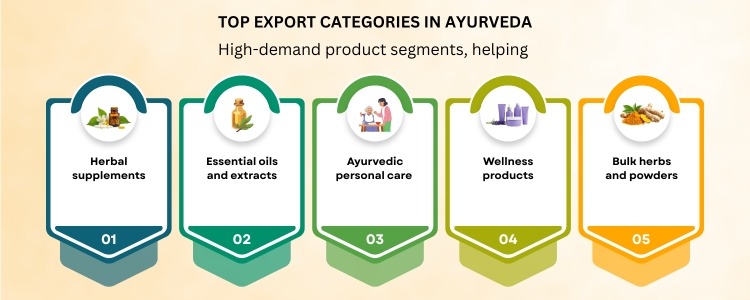
For distributors, these trends create many opportunities for acquiring a broad and diverse range of products – including raw herbs and extracts, as well as finished product formulations such as oils, tablets, and skin care products.
Supplier Landscape: Identifying Reliable Partners
India has a wide array of suppliers for herbal products. In general, herbal suppliers can be broken down into three types:
- Exporters
- Contract manufacturers
- Vertically integrated (manages all phases of cultivation, processing and packaging)
To evaluate a supplier’s credibility when purchasing herbal products from them, consider at least the following criteria:
- Certification (ISO, GMP, AYUSH)
- Experience as an exporter and the type of clients they currently serve
- Traceability of products and source of ingredients
- Testing standards and lab reports on the products
In addition to providing better price and quality control, working with suppliers directly rather than through an intermediary may also provide better information on any quality issues.
Trade shows, along with other B2B marketplaces, may help to identify suppliers of ayurvedic products, and are recommended as part of the due diligence process.
Product Sourcing Strategy for Global Distributors
It is essential to have a comprehensive Product Sourcing approach to prevent inconsistencies in quality and supply. The following items should be part of the Product Sourcing Plan:
- Product Categories
Distributors need to define what type of products will come from them (i.e., raw materials, bulk extracts, or finished goods). Each category will have compliance requirements and logistical requirements that vary from one another.
- Sampling and Testing
Random testing should be conducted by a third-party to ensure that all parameters such as purity, heavy metals, and microbial content meet international guidelines before any commitments are made.
- Contractual Agreements
Written agreements providing all parties with a clear understanding of pricing, delivery times, and standards will help limit risk. It will also be important to define liability clauses for situations of non-compliance.
- Scalability
Vendors will need to be able to accommodate the growth of production capabilities without sacrificing product quality.
Regulatory Compliance and Documentation
When exporting Ayurvedic and herbal products, navigating multiple regulatory frameworks is a critical consideration when exporting across many countries.
Compliance areas include:
- Labeling Standards – All products need ingredient lists; usage instructions; and warnings, or some combination thereof.
- Certifications – Organic, Fair Trade, or other certification types may be required.
- Import Regulations– The United States and European Union have strict regulations regarding the importation of herbal supplements.
- Documentation – Certificates of Analysis (CoA), Material Safety Data Sheets (MSDS); export licenses, and any other required documentation to import the product have to be kept on file in order to show that the product is compliant with all regulations.
If the provider does not provide this type of documentation, it may impact your organization by delaying or rejecting their shipments and may negatively affect your organization’s ability to continue its operations.
Quality Assurance and Standardisation
One of the most significant challenges in sourcing herbal products is maintaining product consistency. Factors such as climates (temperature, humidity, etc.) and soils where the product is grown as well as how the product has been harvested can influence the quality of the finished goods.
To address these challenges you should:
- Choose suppliers that have standardized methods for extracting products from the plant.
- Conduct documented tests for consistency from one production run to another.
- Choose suppliers that have product consistency in accordance with the pharmacopeia.
More Indian manufacturers have aligned with global performance benchmarks, so it is becoming easier for distributors to maintain product consistency across different markets.
Logistics and Supply Chain Considerations
When it comes to shipping herbal products, it’s very important to ensure these products are handled properly because they can be damaged by temperature or perish quickly.
Key Considerations:
- Packaging Must Be Water Resistant and Tamper-Proof
- Shipping Method Use Air for Quick Orders; Use Ocean for Large Shipments
- Customs Issues Proper Documentation Makes Things Move Along More Easily
- Lead Times Allow For Production and Shipping Times
A Strong Logistics Network Will Help Produce Fewer Operational Disruptions
Pricing Dynamics and Cost Structures
India Can Offer Very Competitive Pricing As A Result of Lower Costs of Production and Enough Raw Materials To Supply World Wide Demand. However, The Price Can Be Different Based On:
- Product Type And Complexity Of Formulas
- Certification Requirements
- Number Of Products Ordered Per Shipment
- Amount Of Packaging Required
Price Efficiency Is Important; However, The Product Must Maintain Quality. Often, Long-Term Partnerships Create More Stable Pricing.
Digital Channels and Market Access
The growth of e-commerce has made ayurvedic products more accessible to consumers, enabling distributors to experiment with new markets before scaling operations. Additionally, digital channels provide:
- Direct customer engagement
- Quick product feedback
- Lower barriers to entering new markets
There are, however, extra regulations regarding both consumer protection and product labeling that must be satisfied when distributing online.
Risk Management in Herbal Sourcing
When trying to source globally, there are many uncertainties such as:
- Supply chain disruptions caused by seasonal sourcing.
- Regulatory changes regarding importing/ exporting to certain countries.
- Variation in the quality of products.
- Changes in exchange rates.
Mitigating your risk when sourcing from other countries includes diversifying your suppliers, maintaining a safety stock of products, and being aware of any regulations affecting your business.
Sustainability and Ethical Sourcing
Sustainability has become a top priority for many international buyers. Sourcing ethically provides an opportunity to build your company’s brand while simultaneously creating a stable long-term supply chain.
Factors influencing buyers include:
- Sustainably sourced medicinal plants.
- Payment of fair wages to workers.
- Eco-friendly packaging.
- Transparency of the entire supply chain.
Many suppliers in India are beginning to address these issues and are working towards global sustainability objectives.
Building Long-Term Supplier Relationships
To be successful when sourcing products rather than simply making a transaction or having a one-off supplier; building a long-term partnership with your suppliers yields several benefits, including:
- Better pricing and credit terms,
- Priority production scheduling,
- Greater quality consistency,
- Joint product development.
Frequent communication and periodic audits will help to add to these relationships.
Challenges Faced by Global Distributors
When sourcing from distributors, there can be multiple challenges, such as:
- Dispersed suppliers.
- No standardisation among smaller manufacturers.
- Documentation deficiencies.
- Cultural and communication barriers.
To overcome these obstacles, you need both local expertise and a structured sourcing framework.

Conclusion
India continues to be one of the major sourcing hubs for herbal and Ayurvedic products, as it has scale, diverseness, and price advantages. Nevertheless, achieving successful sourcing in this arena is heavily dependent on having good relationships with your suppliers, gathering as much information as possible to make informed sourcing decisions, and having a rigorous approach to quality and compliance standards. Through disciplined processes when sourcing, global distributors can create considerable growth potential within the natural wellness industry.
1. What makes India a preferred sourcing destination for herbal products?
India offers a combination of traditional knowledge, biodiversity, and cost-effective manufacturing.
2. How can distributors verify supplier credibility?
Through certifications, third-party audits, and client references.
3. Are Ayurvedic products regulated internationally?
Yes, but regulations vary by country and product category.
4. What is the minimum order quantity for wholesale sourcing?
It depends on the supplier and product type, but bulk orders typically offer better pricing.
5. Can small distributors source directly from manufacturers?
Yes, many manufacturers cater to small and mid-sized buyers.
6. Is private labeling available in India?
Yes, many suppliers offer private labeling and contract manufacturing services.

Diptanshu
Leading research and marketing at Inductus Global, Diptanshu drives the company’s vision to transcend traditional trading through thought leadership in import-export. He spearheads a research-driven approach that prioritizes quality over price arbitrage, positioning Inductus as a strategic sourcing partner rather than a transactional intermediary. His work spans market intelligence, supply chain innovation, and trade dynamics, while playing a key role in sales and business development.