

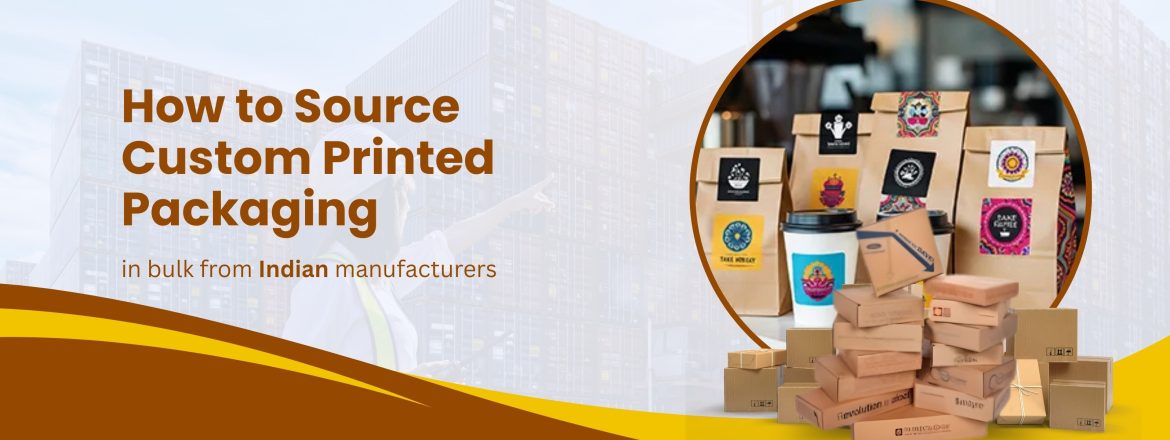
How to Source Custom Printed Packaging in Bulk From Indian Manufacturers
Starting in 2026, the landscape of the Indian packaging market will change dramatically for many reasons, including consumer behaviour changes, increased regulations and the rate of growth from e-commerce. The most fundamental reason for this change will be an increase in demand for custom-designed package solutions, not only as an added value to products, but also as long-term strategic resources across multiple industries.
Packaging is not seen only for its original purpose of ensuring the protection of a product; it is also seen as something that represents the identity of a brand, aids in sustainability, and enhances the interaction between consumers and products. As the economy continues to expand in India and globally, manufacturers in India are quickly re-evaluating their position in the market by creating new innovative solutions that address the evolving needs of their customers.
The Rise of Custom Packaging Solutions in India
As the demand for custom packaging solutions increases, so too are businesses changing the way they view their product’s logistics and display of products. Companies have begun creating custom packaging that matches their brand’s identity while also providing functionality.
With a custom package designed specifically for a company’s needs, that company can differentiate itself from its competitors by utilizing a custom package instead of a traditional package. This is especially true in D2C and premium retail markets, where packaging is a significant part of the overall customer experience.
Further development in printing technologies and material science has provided even greater flexibility in the design capabilities of custom packaging; therefore, allowing manufacturers to provide more variations of custom packaging to their clients.
Expanding Domestic and International Markets
India’s packaging industry is witnessing growth not only within domestic boundaries but also in export markets. Southeast Asia, the Middle East, and parts of Africa are emerging as key destinations for Indian packaging products.
Domestic Demand Surge
The rise of organized retail and e-commerce platforms has significantly increased demand for packaging solutions. Businesses require packaging that is durable, lightweight, and visually appealing—driving innovation across the sector.
Global Opportunities
International markets are increasingly sourcing from India due to cost competitiveness and improving quality standards. Indian firms are positioning themselves as reliable partners for global brands, particularly in the segment of printed packaging suppliers catering to customized requirements.
Printed Packaging as a Branding Tool
In India there has been an increase in the packaging industry with many exporting their goods to places such as Southeast Asia, Middle East and parts of Africa – all regions where Indian manufacturers of packaging are starting to find more customers for their products.
The rise of organized retail outlets along with the rapid growth of e-commerce platforms have increased the need for more packaging options that give consumers an alternative to the types of packaging they currently buy at retail or online shopping locations. For that reason, companies are now looking for durable, lightweight and attractive packaging for their products – all of which have triggered a need for further innovation within the entire packaging industry.
Over the last few years, as manufacturers of packaged goods have begun sourcing more and more items from international companies due to increased cost competitiveness and improvement in the quality standards of those suppliers, an increasing number of global retailers are looking at Indian manufacturers as potential sources for printed packaging items that are used for custom orders.
The Role of Supply Chain and Intermediaries
Efficient supply chains will only continue gaining Importance as export Markets keep Diversifying. Intermediaries in this process, such as Pharmaceutical Sourcing Agents, play an important role by bridging Manufacturers with International buyers.
They help manufacturers ensure compliance through Documentation and Negotiation, improving the efficiency of Trade Across Borders. Additionally, sourcing Services can also enable Smaller exporters access to global Markets Without requiring Significant in-house Infrastructure.
Another thing is that Reliable partners, such as Medical Equipment Suppliers, allow exporters to provide Whole solutions within healthcare rather than Just Standalone products.
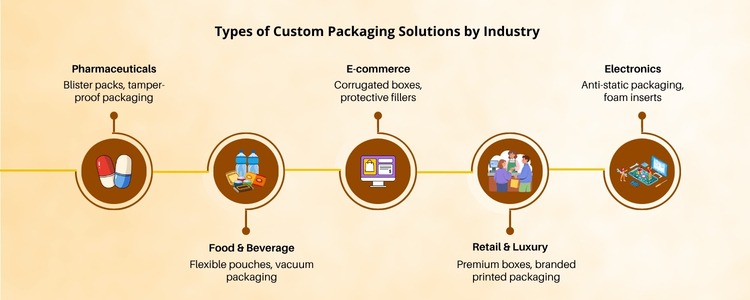
Emerging Product Categories in Packaging
In 2026, packaging product diversification will continue to be a key trend and manufacturers will further their evolution with respect to ever-changing industry needs.
Along with the continued use of rigid and flexible packages, it is easy to see how various industries have also been re-thinking their package innovations and adding additional options for customization.
Flexible Packaging Solutions (e.g., pouches or films) that provide cost savings and convenience are becoming more widely used in food, pharmaceuticals, and personal care.
Rigid Packaging Innovation is providing more durable and aesthetically pleasing products through redesigns of boxes and containers. With many new product development options for producers of premium items to consider; customization options for these companies have continued to grow.
Going Green is becoming increasingly important as consumer demand for sustainable packaging options grows rapidly. As a result of this trend, more companies are choosing to use recyclable, biodegradable, and compostable materials in order to be compliant with environmental regulations or at least to meet consumer expectations and demands.
Smart Packaging with the implementation of QR codes, RFID tags and additional digital elements, has continued to create an interactive packaging experience. This trend has become very prevalent in the Pharmaceutical and Luxury Goods Industries.
Supply Chain and Bulk Production Dynamics
As the volume of demand grows, the importance of efficient supply chains is expanding. Many businesses are using bulk custom packaging as a way to improve their costs and ensure that their supply remains consistent.
Larger buyers are working closely with bulk suppliers of packaging to make the procurement process easier. This has allowed companies to lower their costs and achieve uniformity in the types of packaging they have on their products.
Smaller companies are taking an advantage of flexible manufacturing capabilities to access custom packaging without committing to large quantities.
Role of Manufacturers and Industry Players
The Indian marketplace for printed package manufacturers is becoming more organised and technologically advanced. Companies are investing in automation, quality control systems, and research & development to remain competitive.
The joint efforts of people in the supply chain including designers, producers, and logistics providers are delivering faster innovation and greater quality. This cooperative approach has become critical in responding to the varying needs that exist in today’s marketplace.
Sustainability as a Strategic Imperative
Sustainability is now a key aspect of packaging strategies for 2026. Increased regulations and growing consumer awareness are driving many businesses to adopt packages that have a lesser impact on the environment.
More and more manufacturers across different industries are using alternative sustainable packaging materials, including recycled paper and plant-based plastics, to reduce their environmental footprint without sacrificing functionality.
As a result of this trend, many businesses are making their purchasing decisions based upon the suppliers’ commitment to sustainability.
Challenges Facing the Industry
Although the packaging sector is seeing higher growth, there are still some forces that are challenging the sector:
1. Cost Pressures
Raw material costs are volatile and can significantly affect the profitability of smaller packaging producers.
2. Regulatory Compliance
Regulatory agencies demand that manufacturers maintain their environmental and safety compliance through ongoing investment and adaptation.
3. Technical Upgradation
Emerging technologies are changing rapidly and can require a significant amount of resources to maintain pace with developing technology.
4. Competition
Competition between domestic and international companies is growing. There is also increased competition from exporters.
Strategic Outlook for 2026 and Beyond
The future of India’s packaging industry is looking bright due to the rising demand for packaging and the continued innovation in packaging products. The following are some of the expected trends that will help shape the future of the packaging industry:
- Increased use of digital print processes
- Greater focus on sustainability
- Increased expansion into new global markets
- Increased use of smart packaging technology
Companies that invest in creating innovative ways to deliver their products will be the ones that will take the most advantage of these opportunities.
Conclusion
By 2026, the packaging industry in India will have changed considerably due to the influence of dynamic innovation, increasing importance of sustainability and global market expansion. Printed packaging as well as custom print solutions will become increasingly significant in terms of their contribution to the packaging industry’s development – moving it from being viewed as a support function to becoming a key strategic driver of the business.
For retailers, packaging has become an integral part of their overall strategy and how they position their products. Increasingly high demand from consumers means that designers must continue developing packaging ideas that provide an efficient, sustainable and aesthetically pleasing addition to the retail environment.

Diptanshu
Leading research and marketing at Inductus Global, Diptanshu drives the company’s vision to transcend traditional trading through thought leadership in import-export. He spearheads a research-driven approach that prioritizes quality over price arbitrage, positioning Inductus as a strategic sourcing partner rather than a transactional intermediary. His work spans market intelligence, supply chain innovation, and trade dynamics, while playing a key role in sales and business development.