


Bulk Cement Suppliers from India to Saudi Arabia: What Buyers Must Check
Saudi Arabia’s infrastructure expansion, driven by mega projects and urban development plans, has significantly increased the demand for cement. While domestic production remains strong, import channels have become an important supplement, particularly during peak construction cycles. Among global suppliers, India has emerged as a consistent and cost-effective source, with bulk cement suppliers india playing a pivotal role in meeting regional demand.
However, importing cement in bulk is not a straightforward procurement exercise. It involves technical evaluation, compliance checks, and logistical planning. For Saudi buyers, contractors, procurement managers, and developers, understanding what to check before finalizing imports is critical to ensuring quality, cost efficiency, and project timelines.
Understanding the Scope of Bulk Cement Imports
Bulk importing cement means you purchase cement in large volumes and ship it using specialized bulk carriers instead of in individual bags. There are numerous benefits to bulk importing of cement, especially for large projects (ex: highway construction, development of industrial areas, or high-rise buildings).
India has established itself as one of the world’s most successful cement exporters because of its large manufacturing capacity, low prices for cement compared to other countries, and well-established shipping lanes to the Middle East. Over time, Indian cement exporting has steadily increased in size and number of countries serviced through cement exports, especially within those countries with large, growing residential and commercial construction industries.
Importing cement from India benefits Saudi Arabia because it provides:
- Greater price advantages than buying from many European countries;
- Dependability in supply during times of domestic shortfalls;
- Access to any grade of cement desired; and
All these benefits can only be realized when buyers take a systematic approach to supplier selection and quality assurance testing.
Bulk Cement Suppliers India: Key Selection Criteria
Choosing the correct supplier is undoubtedly the most important step in the importation process. Credibility of bulk cement suppliers India has a direct return on the quality, delivery and overall success of the project.
Supplier’s reputation and track record
When considering a supplier, the buyer will want to evaluate their past experience in international trade. Cement Exporters typically have:
- Experience shipping bulk cement successfully
- Certifications that comply with worldwide standards
- References from past international customers
- A verifiable track record decreases the risk of delays or inconsistency.
Supplier’s production capacity and consistency
A major portion of the Saudi projects require constant supply. Suppliers should also show that they can maintain a stable level of production without sacrificing quality.
Considerations regarding suppliers include:
- Daily production volume
- Availability of multiple grades of cement
- Backup supplies in case of operational failures.
Quality Assurance: Non-Negotiable Parameters
The quality of cement has a significant effect on the overall structural integrity of a project. Thus, quality assurance will need to be established as part of the basis for the import agreement.
Saudi Standards
Imported cement must meet the Saudi standards set by SASO (Saudi Standards, Metrology and Quality Organization). When negotiating with suppliers, buyers should ask for:
- Quality test records
- Chemical composition data
- Strength and durability test results
- Lab tests & Verifications
- Independent third-party laboratories performing tests must provide evidence of:
- Compressive Strength
- Setting time
- Fineness and consistency of cement
Specialized cement categories (i.e., micro concrete cement suppliers) may need further technical evidence depending on intended use.
Logistics and Transportation Considerations
Logistics also play an important role in the success of bulk cement imports. Unlike packaged goods, bulk cement requires special considerations for shipping and handling due to the risk of contamination and exposure to moisture.
Shipping and Handling
Typically, bulk cement is transported in pneumatic vessels. When buying bulk cement, buyers must consider:
- Proper sealing of cargo holds
- Having appropriate equipment to unload the cargo
- Coordinating with the port authorities
Any delays or improper handling can result in damage to the bulk cement during transit.
Port Infrastructure and Storage
While the ports are well-equipped to receive cement shipments, buyers should confirm the following prior to shipment:
- Adequate storage facilities for bulk cement
- Capacity to handle large shipments
- Proximity to construction sites
Efficient port operations will shorten turnaround times and reduce logistics costs
Pricing Structure and Cost Transparency
While cost competitiveness is a key reason for importing from India, buyers must look beyond the base price.
Breakdown of Costs
A transparent pricing structure should include:
- Ex-factory price
- Freight and insurance
- Port handling charges
- Customs duties
Hidden costs can significantly impact overall project budgets.
Currency and Payment Terms
Fluctuations in currency exchange rates can affect import costs. Buyers should negotiate:
- Fixed pricing where possible
- Flexible payment terms
- Risk mitigation clauses
Role of Product Variants in Project Requirements
While cost advantage is an important factor for importing from India, the purchase price only tells part of the story.
Long Term View of Costs
To have a comprehensive view of your cost structure for goods imports from India, your pricing structure must be transparent, and consider various components of the total cost, to assess any hidden impacts on overall project budgets.
- Base Price of Product
- Price to Ship/Product
- Port Charges
- Import Duties
- Hidden Costs
Price Fluctuations
As currency exchange rates change over time, they can create substantial changes to import costs; therefore it is key at the time of purchase to evaluate and negotiate:
- Fixing the price to the extent possible
- Compliance with Your Preferred Payment Terms
Mitigation of Risk, Lay-out your Sale or Supplier Terms/Conditions, that could trigger additional cost.
Cement Type
Different types of Construction Projects will require different types of Cement to meet their design specifications. Understanding the specific design requirements will allow you to select the correct type of Cement for each project.
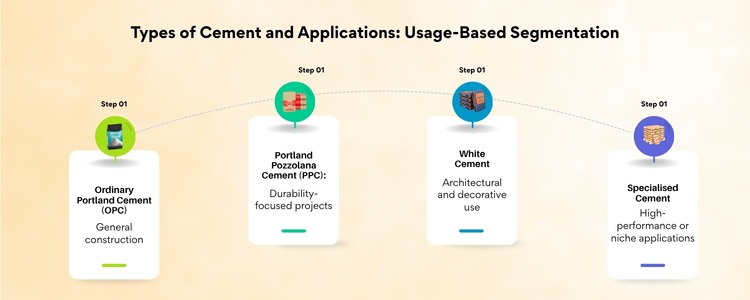
Ordinary Portland Cement is the most common Cement product utilized in general construction. The benefits of OPC are; strength, durability & versatility of use. Blended Cement is the 2nd most common Cement used for general construction.
There are other Cements utilized specifically for specialty applications such as White Cement or other decorative finishes to Architectural Projects. Ensuring that you have selected the correct Cement Type is key to providing both the Structural Performance & Aesthetic Quality of any Construction Project.
Regulatory and Documentation Requirements
Importing cement into Saudi Arabia involves strict regulatory compliance. Failure to meet documentation requirements can result in delays or rejection of shipments.
Essential Documentation
Buyers must ensure the availability of:
- Certificate of origin
- Bill of lading
- Quality and compliance certificates
- Commercial invoices
Customs and Inspection Procedures
Saudi authorities may conduct inspections upon arrival. Proper documentation and adherence to standards facilitate smoother clearance.
Risk Management in Bulk Cement Imports
The process of importing cement into Saudi Arabia requires a high level of compliance with regulatory procedures. If the documentation requirements are not met the shipment will be delayed or rejected.
All buyers should ensure that all of the following documentation is available before a shipment is sent to Saudi Arabia:
- A Certificate of Origin
- Bill of Lading
- Quality Compliance Certificates
- Commercial Invoice
Upon arrival at the designated Saudi port of entry, the shipment may be subject to an inspection by Saudi authorities. Providing proper documentation to the shipping company, along with meeting the required standards for the cement, will help expedite the clearance process for all shipments.
Market Outlook and Future Trends
Importing cement in bulk can be a risky business because of potential supply disruptions, quality-related issues, and/or logistical problems occurring during transport. Proper risk management procedures are critical for each of these potential risks.
Buyers should work with multiple suppliers of construction materials to ensure they have many alternative sourcing options for the materials they require.
Each supplier should have a written contract including:
- Penalty provisions for delayed delivery of the product;
- Quality assurance provisions from the supplier;
- A method of dispute resolution in case a dispute arises.
These contractual provisions are meant to protect the buyer from challenges that may arise during the course of importing cement into Saudi Arabia.

Conclusion
The increasing supply of cement in Saudi Arabia allows for a feasible way to meet the increasing needs of construction. The successful importation of bulk cement from India will be dependent on a coherent planning process along with thorough quality assurance, and on the development of long-term partnerships with suppliers
Creating a strong relationship with a trusted supplier of bulk cement in India will help to ensure the timely delivery of cement to the project sites in Saudi Arabia, which in turn can reduce costs and provide assurance of acceptable quality products. Following a defined framework (e.g., technical evaluation, logistics, and compliance) to assess supplier capabilities can greatly mitigate risk and improve the outcome of the project.

Diptanshu
Leading research and marketing at Inductus Global, Diptanshu drives the company’s vision to transcend traditional trading through thought leadership in import-export. He spearheads a research-driven approach that prioritizes quality over price arbitrage, positioning Inductus as a strategic sourcing partner rather than a transactional intermediary. His work spans market intelligence, supply chain innovation, and trade dynamics, while playing a key role in sales and business development.