

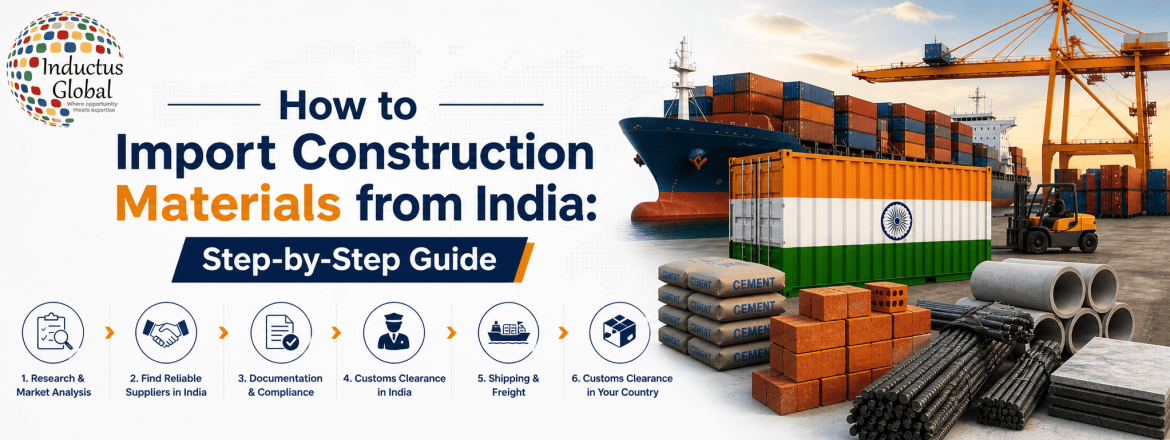
How to Import Construction Materials from India: Step-by-Step Guide for European Buyers
India is becoming a trustworthy sourcing area for global construction needs. When European buyers import construction materials from India, they use many factors, such as the cost to send the material, what kinds of materials are available, and whether the quality of the products will meet the standard of Europe.
To navigate importation successfully; you will need to understand: sourcing, compliance, logistics and risk management. This guide provides a structured, step-by-step process specifically for European importers who want to develop reliable supply chains in India.
Why European Buyers Prefer Indian Construction Materials
The manufacturing environment in India has markedly improved, and suppliers in the country provide an extensive array of materials meeting international requirements (including cement, steel, tiles and plastic construction materials) to suit both large-scale infrastructure projects and smaller, speciality construction projects. The following are some key advantages of sourcing from Indian manufacturers:
- Lower cost of production, thus providing competitive pricing.
- A large variety of products across multiple categories.
- An ever-increasing rate of compliance with European product quality requirements.
- A well-established export infrastructure and ability to connect with ports.
The ongoing expansion of Construction Material Exporters from India to European Union Member countries demonstrates the trust established over time between Indian exporters and international buyers.
Step 1: Identify Material Requirements and Specifications
The first phase of an import project is to establish what you need. European construction ventures can be very strict about specifications, so a clear understanding will facilitate better communication.
Some considerations include:
- Type of material (for example; cement, steel, ceramic tiles etc.)
- Quantity and delivery schedule
- Technical requirements/standards and required certifications.
- Packaging and handling specifications.
A thorough specification will prevent misunderstandings and define what the supplier needs to supply for the work on the project.
Step 2: Research and Shortlist Reliable Suppliers
Choosing the right supplier is critical to the success of your import strategy. When considering how to source building materials from India, buyers will usually use numerous methods/canals.
Common channels are:
- B2B marketplaces or trade platform/s
- Industry -related trade fairs/exhibitions
- Referrals from/within Existing Business networks
- Manufacturer direct outreach.
When evaluating suppliers, consider:
- Experience exporting to Europe
- Production capacity and scalability
- Certification and compliance history
- Client references (past projects).
Using a systematic approach to procuring India-based materials can provide better suppliers will be in the long term.
Step 3: Verify Certifications and Quality Standards
Quality and Safety Regulations for Suppliers
European countries have strict quality and safety regulations that must be adhered to by suppliers. Before selecting a supplier, it is critical to determine if their products meet the required standards.
There are several key certifications required, including the following:
- CE mark for compliance with European Union (EU) product standards
- ISO certified quality management system
- Product specific test reports
- Environmental and sustainability certifications
Prior to shipping, suppliers can expect buyers to have third-party inspection companies perform pre-shipment quality inspections.
Step 4: Understand Pricing and Contract Terms
Pricing for international trade includes much more than just the price of the goods. In addition to the purchase price, buyers should also consider all of the costs associated with getting the goods to their destination so that they can determine the total landed cost of the goods. These additional costs may include the following:
Base price of the goods;
- Packaging and handling charges;
- Freight and insurance costs;
- Import duties/taxes and other fees;
Contracts used in international trade should clearly define:
- Payment terms (e.g., prepaid, letter of credit, etc.),
- Delivery timeframes,
- Penalty provisions for late deliveries or quality issues, and
- Duties/responsibilities applicable under Incoterms (e.g., FOB, CIF, etc.).
By having a clear understanding of the terms and conditions outlined in a contract, both parties reduce the likelihood of disputes arising between them and ensure a smooth transaction.
Step 5: Manage Export Documentation and Compliance
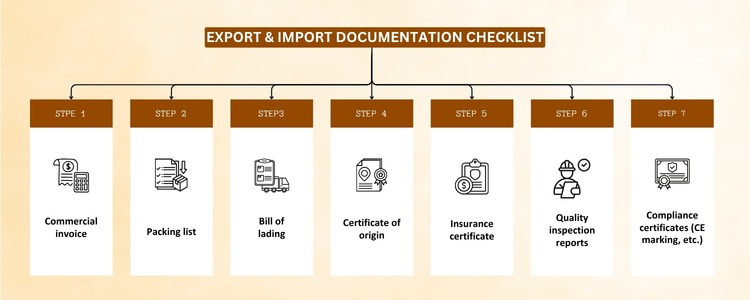
Documentation Requirements for Exporting Steel from India Documentation is extremely important in international trade. In order to prevent delays at ports, exporters of steel from India must prepare accurate export documentation.
Essential export documents would include the following:
- Commercial Invoice;
- Packing List;
- Bill of Lading;
- Certificate of Origin;
- Quality & Inspection Certificates.
In addition to meeting the above documentation requirements, European importers also need to comply with all applicable local customs and environmental standards.
Step 6: Plan Logistics and Shipping
Proper Logistics Planning is an essential element for ensuring that products are delivered within specified timeframes and for controlling costs. India’s primary major ports such as Mundra, Nhava Sheva, and Chennai provide the country with its primary export outlets. Shipping options for exporting products from India to Europe include:
- Container ships for small shipments.
- Bulk shipping for larger quantities of products (e.g., cement, steel, etc.).
There are several factors to consider when using sea freight:
- The amount of time it takes to ship a product from India to Europe is usually between 20 and 30 days.
- The cost of freight can fluctuate.
- Port handling charges.
- The availability of tracking systems.
Hiring experienced freight forwarders can help make the logistics process easier.
Step 7: Customs Clearance and Import Regulations
After arriving in Europe, products must be cleared through customs and this process requires accurate documentation and compliance with laws and regulations. Specifically you need to prove:
- Imported taxes and/or import duties were paid.
- Your products meet local standards.
- You are in compliance with the environmental and safety regulations.
Failure to have your products cleared through Customs may delay your project timelines and therefore it is critical to have all documentation in order prior to sending the goods on their journey.
Step 8: Delivery and On-Site Inspection
Once your products clear Customs your materials will be delivered to your end users. You as a buyer must inspect the materials once they are received to ensure they were not damaged during transportation and that they were manufactured per the agreed upon specifications. When making an inspection, you should look for:
- Quantity
- Quality
- Packaging
If there are any discrepancies on receipt, they should be reported back to your supplier immediately, so that they can be resolved.
Common Challenges and How to Overcome Them
There are risks associated with importing construction materials, but if you’re able to plan for these, you will have a better chance of being successful in managing them.
Quality Differences
To resolve issues of materials differing in quality, you can do something like conduct third-party inspection of the materials, as well as request samples prior to shipping.
Logistics Delays
Use reliable freight companies to ensure timely delivery and allow extra time in your project’s schedule for potential unforeseen delays.
Regulatory Changes
Be aware of new regulatory laws that may affect your ability to import construction materials into the countries of Europe.
Currency Fluctuation
Hedging or negotiating the price in one of the more stable currencies can help protect you from currency fluctuation when working with Indian source vendors.
Emerging Trends in India-Europe Construction Trade
There are several trends emerging in the trade world, including:
- Increase in demand for eco-friendly materials;
- Use of digital procurement tools and methods continues to grow; and
- The use of prefabricated components for construction projects continues to grow.
These trends are important for the new way of sourcing products, particularly in reference to European importers and India.

Conclusion
European importers looking to source construction materials from India will find there is a significant price advantage in doing so. However, finding success with this type of sourcing requires a well organized approach to everything from supplier selection to verifying compliance with regulations to managing logistics.
By working through all aspects of sourcing in a methodical manner and keeping updated on market trends, European companies can develop mutually beneficial business relationships with Indian exporters and achieve project success through continuous product and service delivery.

Diptanshu
Leading research and marketing at Inductus Global, Diptanshu drives the company’s vision to transcend traditional trading through thought leadership in import-export. He spearheads a research-driven approach that prioritizes quality over price arbitrage, positioning Inductus as a strategic sourcing partner rather than a transactional intermediary. His work spans market intelligence, supply chain innovation, and trade dynamics, while playing a key role in sales and business development.