

How to Import Packaging Materials from India: HS Codes, Duties and Logistics Guide
In recent years, India has become a viable option for international buyers looking to efficiently buy scalable packaging solutions. Due to its well-established infrastructure, international buyers are able to source many types of packaging materials and methods through different countries worldwide. These include paper, corrugated board, flexible films, laminates, glass containers, and metal containers.
Additionally, there are many aspects of air freight from India that develop into an integrated transaction. The processes in establishing who is to be responsible for classifications, customs, and duties can be very complex, and it will take time for the importers to become completely comfortable doing business this way. This importing guide has been created for importers who are looking to develop a long-term, reliable supply chain.
Understanding the Indian Packaging Industry Landscape
India’s packaging industry has experienced significant growth largely due in part to e-commerce, pharmaceutical, food processing, and FMCG industries growing exponentially. The ecosystem now consists of both large-scale and small manufacturers in addition to specialized units that cater to some niche areas.
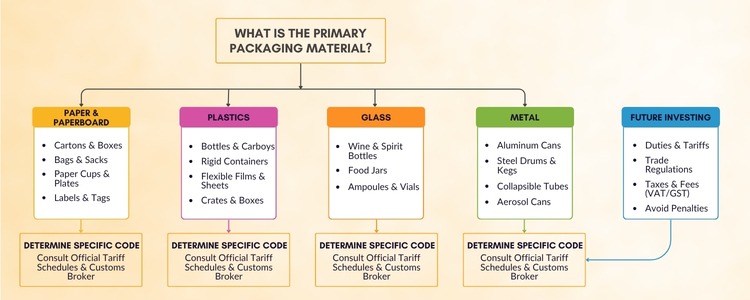
India has a broad range of packaging products and materials available for purchase, including, but not limited to:
- Corrugated boxes and cartons
- Flexible packaging (laminates and films)
- Glass and metal containers
- Plastic components of containers and packaging
- Eco-friendly and biodegradable products
Due to the increase in global demand for sustainable packaging formats, Indian manufacturers have been motivated to develop new products based on recyclable and compostable materials.
Classification and the Role of HS Code in Imports
A critical step in importing is accurate product classification using the Hs code system. This internationally standardized coding structure determines applicable duties, documentation, and compliance requirements.
Why Classification Matters
Misclassification can result in:
- Delays in the clearance of goods through customs
- Additional fees for the reclassification of goods
- Overpayment or underpayment of duties applicable to goods imported
Every type of packing material such as paper packing, plastic packing, and metal packing is considered a separate HS Classification. For example, the tax rates for paper cartons and plastic containers will be different from one another, and will usually require compliance documents that are different.
Best Practices
- Verify HS codes against both exporter and importer country regulations
- Consult with a licensed customs broker or trade advisory firm
- Ensure uniformity in documentation for all shipments
Having a systematic and disciplined methodology for classifying products creates less friction in operations and increases predictability of landed costs.
Duties, Taxes, and Cost Structures
The duty levied by a country on imported goods will vary depending on the destination country, the type of product, and the Trade Agreement(s) in place. Although India has an advantage because of its competitive manufacturing cost, Importers should consider the Total Landed Cost of the goods.
Key Cost Factors To Consider When Importing Goods:
- Basic customs duty
- Ad valorem duties, Other duties and/or Surcharges‐Customs; duties imposed by the government
- Goods and Services Tax (GST) applicable to the Destination Country
- Anti-Dumping duties if applicable
- Freight & Insurance
In certain instances, when a country has a Bilateral Trade Agreement with India, Duties may have been reduced or eliminated, which would provide additional cost advantages.
Strategic Considerations
Importers should evaluate:
- Volume-based pricing benefits
- Currency fluctuations
- Long-term supplier contracts for price stability
Understanding cost layers ensures better pricing strategies in end markets.
Identifying Reliable Packaging Suppliers in India
Finding the perfect supplier is one of the keys to your sourcing success. In India, the different kinds of Packaging suppliers range from export-oriented firms to domestic manufacturers that have limited exposure to international customers.
Supplier Criteria
- To select a good supplier, the following criteria should be considered:
- Types of certifications they hold (ISO, FSC, and Food grade)
- Experience in exporting and references
- Ability to produce enough to supply your requirements on time
- Quality assurance processes (QA)
Dealing with the manufacturer directly can give you greater insight into their production and costs. Visiting the supplier’s manufacturing facility or using a third-party audit can provide an extra layer of assurance of their ability to deliver on their terms.
Logistics and Shipping Considerations
Planning your logistics for importing packaging products is an essential part of the supply process, especially since you will be shipping bulky and heavy packages.
Modes of Transportation
- Sea freight is typically the lowest cost for making larger shipments
- Air freight is best for urgent or light weight shipments
Packaging and Handling
Ironically, the Packaging products that you are importing need to be carefully handled so that they do not get damaged while in transit. As a result, moisture control, stacking strength and container optimisation are the key characteristics that you need to consider while packaging.
Paperwork
It is very important that you have all of the following paperwork ready before you start:
- Commercial invoice
- Packing list
- Bill of lading
- Certificate of origin
- Inspection certificate(s) (if it’s a requirement)
Having the above documents completed will help to reduce delays at customs and will help to ensure your products clear customs quickly.
Regulatory Compliance and Quality Standards
Countries impose various standards when it comes to packaging imported to them, particularly for food and pharmaceuticals.
There are key compliance areas for importers working in Custom Packaging solutions:
- Food safety standards (i.e. FDA, EFSA, etc.)
- Material safety and toxic limits
- Recycling and environmental regulations
- Labelling requirements
Importers must ensure their designs and materials meet the guidelines set by the destination country. If not, shipments may be rejected, have to be recalled, and/or cause reputational damage.
Sustainability and Emerging Trends
Sustainability is no longer optional when doing business in this global economy. The buying public, in increasing numbers, is looking for eco-friendly materials and sourcing practices that are transparent. In India, for example, there are more suppliers of:
- Biodegradable packaging materials
- Recycled paper and/or plastic solutions
- Initiatives to reduce the amount of plastic used
These changes are making it easier for importers and help align with the overall goals of the environment on a global scale, as well as provide them with an opportunity to market themselves as good corporate citizens.
Challenges in Importing Packaging Materials
While there are many benefits to importing packaging materials from India, importers encounter several operational hindrances, including fluctuating raw material prices, varying quality from one batch to another, port congestion and shipping delays, and changes in regulatory requirements of the importing countries.
Mitigating these potential risks requires the use of diversified sourcing options, maintaining a buffer inventory, and closely monitoring compliance with regulations.
Opportunities in Packaging Materials Export from India
The growth of the exports of packaging materials from India indicate the growing confidence of the world in the manufacturing capabilities of India. The key drivers of this growth in Indian packaging exports are:
- Competitive pricing for manufacturers to export packaging materials to the rest of the world
- Availability of skilled workers and technical expertise
- Development of exporting supply chain infrastructure
- Strong governmental support for manufacturing and export businesses
This creates a tremendous long-term opportunity for the global distribution channel to develop scalable and efficient supply chain solutions.

Conclusion
The combination of cost efficiencies, variety and scalability makes importing packaging materials from India an attractive option. However, being successful with importing packaging materials from India starts with a carefully constructed plan including how to classify the materials, how to select suppliers, how to ship the materials, and how to remain compliant with all import regulations.
By utilizing a structured approach to sourcing materials from India will allow importers to reduce risk while maximizing value through the use of India as a reliable source of supply in the world packaging supply chain.
1. 1. What types of packaging materials can be imported from India?
A wide range including paper, plastic, metal, and eco-friendly materials.
2. Why is HS code classification important?
It determines duties, compliance requirements, and customs procedures.
3. What is the most cost-effective shipping method?
Sea freight is generally more economical for bulk packaging imports.
4. Are Indian packaging suppliers reliable?
Many are, especially those with export certifications and established client bases.
5. How can importers ensure product quality?
Through third-party inspections, certifications, and sample testing.
6. Is sustainable packaging widely available in India?
Yes, there is growing availability of biodegradable and recyclable options.

Diptanshu
Leading research and marketing at Inductus Global, Diptanshu drives the company’s vision to transcend traditional trading through thought leadership in import-export. He spearheads a research-driven approach that prioritizes quality over price arbitrage, positioning Inductus as a strategic sourcing partner rather than a transactional intermediary. His work spans market intelligence, supply chain innovation, and trade dynamics, while playing a key role in sales and business development.