

Complete Guide to Import Indian Tea for UK Retail Buyers in 2026
Indian Tea: A Blend of Luxury & Legacy
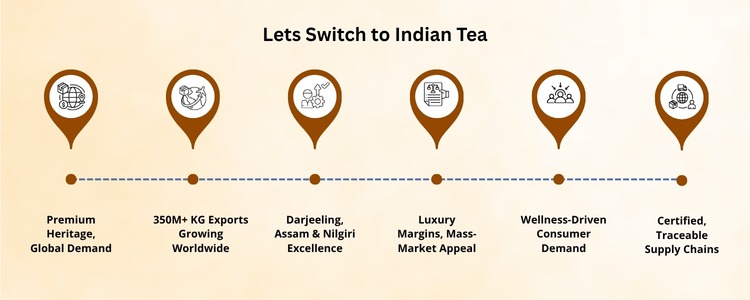
Indian tea is not merely an agricultural commodity; it is one of the world’s most enduring trade narratives. From the mist-covered slopes of Darjeeling and the monsoon-fed estates of Assam to the high-altitude gardens of Nilgiri, every region contributes a distinct terroir that has shaped global tea consumption for generations. In 2024, India shipped out more than 330 million kilograms of tea. Next year, that number’s set to climb past 350 million.
That’s not just a bragging right; it means India now provides about a fifth of all tea traded globally. For UK retailers, this isn’t just about having a steady supply. It opens the door to one of the most flexible categories in the food and drink aisle.
What’s remarkable about Indian tea is how it straddles both ends of the market. On one hand, it attracts luxury shoppers who care about origin and quality. On the other, it keeps everyday customers coming back with prices that make sense for the mass localised markets. So you have to ask yourself: is your store still ignoring a product that can deliver top-shelf margins and strong sales?
From Flavors to Varieties: Versatility of Indian Teas
Why do teas that look basically the same end up with wildly different profit margins at the store? It really comes down to how they’re processed, where they come from, and how they’re marketed.
- Take traditional teas, the ones made from those carefully picked two leaves and a bud. They’re sold to people who want deeper flavors and care about the tea’s origin. On the other hand, CTC (Crush-Tear-Curl) teas are all about reliability and strength, perfect for someone who just wants a quick, strong cup.
- Darjeeling teas, with their floral aroma and that famous muscatel taste, are prized for specialty shelves. Assam teas bring a malty punch that’s perfect for breakfast blends. Nilgiri tea? They’re smooth and balanced, catching the eye of health-focused shoppers.
Timing matters, too. The first flush of Darjeeling gets top-dollar, the second brings richer flavor, and autumn harvests attract a different crowd. For UK importers, picking teas isn’t just about personal taste; it’s a calculated business decision.
Each type tells its own brand story, lands in a different spot on the shelf, and shapes how customers see it. Thanks to the huge variety from India, retailers can cater to niche collectors and folks looking for their everyday brew at the same time.
Maximising Benefits, Minimising Risks: Staple Indian Tea
Imagine if a single product could dive straight into the UK’s booming wellness economy. Indian tea is doing just that; it’s landing right at the crossroads of wellness, hospitality, and functional nutrition. Plenty of tea varieties come loaded with antioxidants, and they’re not just drinks anymore. They’re a lifestyle choice for health-minded folks. Plus, those Ayurvedic roots are still shaping what people buy around the world.
But Indian tea’s reach goes way beyond the supermarket shelf. Luxury hotels serve gourmet tea to give guests a little extra magic. Chefs are blending tea into everything from desserts to sauces. And wellness brands are searching for tea-based ingredients to build new functional offerings.
There’s a catch, though. Positioning tea as a wellness product means you need solid discipline. UK buyers want proof, certifications, compliance with pesticide limits, organic badges, and transparent suppliers. Consumers check the fine print too: they expect solid origin stories and high sustainability standards. If you get all of that right, Indian tea isn’t just a drink, it’s a story. That story lets brands charge premium prices, keeps customers coming back, and helps products stand out in a crowded market.
Why do UK Importers choose Indian Tea Suppliers?
Top UK tea buyers don’t pick India just because it’s pocket-friendly. They stick with India because it delivers on all fronts: massive volume, tons of variety, and consistency you can count on. Here’s why. India’s infrastructure keeps tea flowing, even when other regions might hit snags. One supplier can offer over a dozen types of tea, covering just about any shelf in the store. The production costs? They let retailers keep better margins.
Add to that, big exporters in India keep up with certifications like Organic, Fairtrade, ISO, and more. These aren’t just badges; they’re proof of real standards. Plus, Indian exporters have been working with UK buyers for decades.
There’s real trust there. So when retailers look at options from China, Kenya, or Sri Lanka, India stands out. It’s got the quality, the range, and the pricing that scale demands. Ask yourself: is your current sourcing partner really giving you reliable supply, set prices, and all the variety you need, from one origin?
From Sourcing to Importing: Complete Guide to Import Tea from India to UK
A lot of retailers end up losing 10–15% of their import budgets without even realizing it, just because their sourcing process isn’t efficient. If you want to get strategic, start with finding the right suppliers. Buyers should dig through export directories, join tea auctions in places like Guwahati and Cochin, or tap into established sourcing networks. It’s about making connections that matter.
- Quality comes next. Don’t commit to big orders until you’ve run sampling programs, set up cupping sessions, checked lab tests, and reviewed all the paperwork. These steps help you avoid expensive surprises later.
- When it’s time to negotiate, know the market. Prices fluctuate depending on the season, and most suppliers expect a minimum order, usually starting at 500kg. Standard payment methods like letters of credit are the norm, so get comfortable with them.
- Logistics isn’t just an afterthought. Calculate exactly what freight will cost, figure out how much storage you’ll need, and plan your inventory turnover. Typically, it takes four to six weeks from the plantation to arrival in the UK, so set realistic lead times.
- Compliance is critical. UK importers must meet strict food safety rules, stick to pesticide residue limits, follow traceability standards, and get labeling right. Here’s what a real timeline looks like:
- Month 1: Find and shortlist suppliers
- Month 2: Test samples and verify quality
- Months 3–4: Tackle negotiations and compliance checks
- Month 5: Place orders and sort out logistics

Mitigate Risks & Follow the Golden Rules
One supply issue or quality slip-up can spark a recall, wreck your reputation, and drain your bank account fast.
Resilient importers follow five essential rules.
- First, don’t rely on just one supplier; keep at least two or three solid partners in your network.
- Second, nail down clear contracts with service-level agreements that spell out quality benchmarks, delivery deadlines, and how you’ll handle disputes.
- Third, get detailed traceability, harvest logs, lot numbers, the works.
- Fourth, stay on top of UK food regulations, residue testing, and labeling requirements.
- Fifth, don’t just trust, verify. Run regular audits with site visits or third-party inspectors.
These steps aren’t pointless paperwork; they’re your insurance against big headaches. The retailers who take risk management seriously keep their profits intact, earn customer loyalty, and build stronger supplier relationships. These rules aren’t obstacles. They’re what keep your business safe and profitable.
Conclusion: Switch to Indian Tea
The UK tea market in 2026 will be shaped by three powerful forces: premiumization, wellness-driven purchasing, and demand for transparent sourcing. Indian tea aligns with all three.
Tradition, Transparency, & Trust: India isn’t just selling tea, it’s offering something unique: a mix of tradition, wellness, and business-friendly sourcing models that let retailers stand out and scale up. There’s more on the table, too, a variety of flavors that keep things fresh and interesting.

Pratibha Soni
I write where strategy meets storytelling. As a passionate writer and literary enthusiast, I craft business-focused content that transforms trading insights into compelling narratives. Drawn to global business ecosystems, I enjoy turning research, innovation, and ideas into content that informs, connects, and inspires. With an analytical mind and a creative soul, I bring curiosity, collaboration, and a sharp eye for detail to every project. Adaptable and growth-driven, I believe the right words do more than communicate; they leave an impression.