

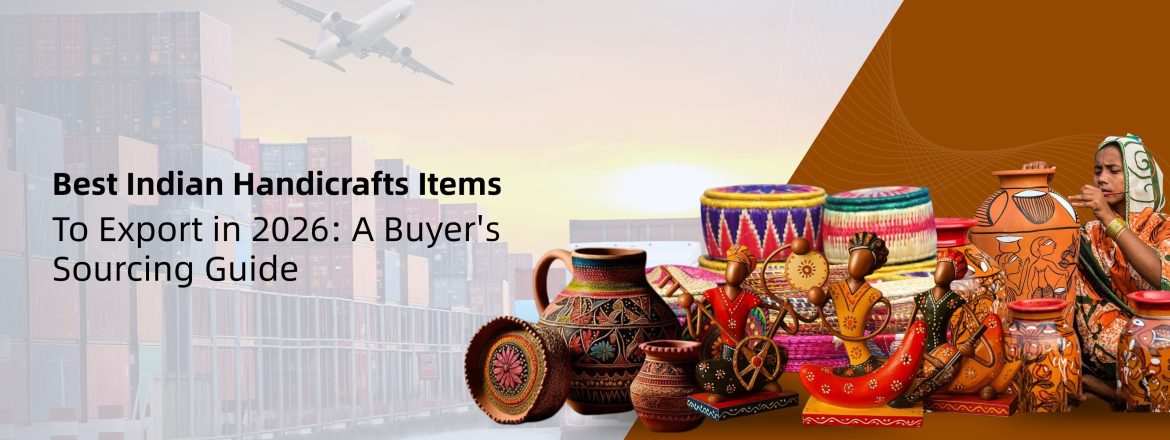
Best Indian Handicrafts Items to Export in 2026: A Buyer's Sourcing Guide
India is known for having a rich cultural and economic history regarding craftsmanship, making its handcraft industry an integral part of global trade. Over time, skillful artisans have passed down beautiful handmade items from generation to generation, which now provide consumers with many options when purchasing these types of products around the world.
Artisans across India create many different kinds of handmade items, such as wooden furniture and other decorative objects made from various types of wood; fabric such as rugs, drapes, tablecloths, etc.; as well as metal sculptures and other decorative pieces made from metals like brass, bronze, copper, iron, etc. Handcrafted items created by artisans in India can be found globally on retail shelves as well with retail stores specializing in home décor, fashion, accessories, and other lifestyle products.
Today, buyers increasingly want to purchase handicraft products created with authenticity and sustainability. Many importers and retailers looking to add to their product range by 2026 will find the Indian handicraft industry to be a great opportunity due to the wide range of skilled artisans, manufacturers who produce export-compliant products, and established logistics networks. To successfully purchase skilled artisans across the country, buyers should know about current market trends regarding the types of crafted goods that customers want and how they can find the best ways to purchase these products.
Buyers will find this article helpful in identifying which handicraft categories have great potential for export sales and how to purchase these handicrafts from suppliers within India.
Why Are Indian HandiCrafts Items Popular in Global Markets?
The widespread appeal of Indian handicrafts around the world can be attributed to their unique blend of traditional craftsmanship and modern design. Unlike mass-produced items, handmade products have a certain level of uniqueness that attracts contemporary shoppers.
There are a number of reasons behind the increasing global demand for Indian Handicrafts Items.
One reason is that handcrafted products often represent the cultural heritage of a certain area. There are many different craft traditions and materials used within each of India’s 29 states, resulting in a large and diverse range of unique products.
Another reason is that more and more people in Europe, North America, and Asia are choosing eco-friendly products produced from sustainable resources like wood, bamboo, clay, and textiles.
Finally, Indian artisans have the ability to produce handcrafted products at very competitive prices, and with 400 million artisans working in India, manufacturers can produce a large number of handcrafted products without altering their handcrafted nature.
Due to these factors, many international wholesale buyers use Indian handicrafts suppliers to obtain large inventories for their retail stores.
Which Indian Handicrafts Have the Highest Export Potential?
India’s handicraft industry encompasses a diverse variety of products. Some of these products are high performers in the international market, and the categories that continuously produce exceptional export sales numbers include:
Wooden Handicrafts
Wooden carvings represent one of India’s most prominent craft traditions, and there is a high volume of exports for items such as decorative wood items, wood furniture accents, and carved wood figurines.
Saharanpur has developed a solid global reputation for its finely carved wooden decorative products that have a strong international market appeal for the interior design industry. Retailers selling home décor collections will find this sector has a wide range of products for their customers.
Handwoven Textiles and Rugs
Handwoven textiles and rugs continue to be one of the highest sales categories for India’s handcrafted goods exports due to their value and quality.
Handwoven textiles include:
Handwoven rugs
Cotton throws
Embroidered cushion covers
Traditional tapestries
The worldwide markets continue to show a great deal of demand for these products as the trend for sustainable home furnishings continues to grow.
Metal Handicrafts
The tradition of metal craft in India has been around for many centuries and is still held in very high esteem because of the precision and durability of the finished product.
Metal decorative items such as brass artifacts, lanterns, sculptures, and tableware are exported to many different countries across the globe by numerous home decor retailers.
Many international buyers choose to work with experienced manufacturers of handicraft products made of metal, as they also provide export compliance assistance related to the production and shipment of items made of metal.
Ceramic and Pottery Products
In recent years, there has been a significant increase in demand from consumers looking for unique, hand-crafted rustic and eco-friendly products for their home decor.
The increasing number of global lifestyle stores that are now carrying a selection of handcrafted ceramic planters, decorative vases and artisanal style tableware are indicative of that trend.
The many pottery clusters found in India are known for creating items that integrate traditional handmade techniques with a modern and chic appearance.
Handmade Jewelry and Accessories
The craft of jewelry has been practiced in India for many centuries using gold, silver and other precious metals; however, in addition to traditional materials. They have also created a number of beautiful handmade jewelry and accessory items using natural materials such as beads and stones.
These products are especially attractive to boutique retailers and fashion accessory brands interested in unique design.
Many retailers use these Indian handicraft products to coordinate with their apparel and/or lifestyle product collections.
How Can Buyers Identify Reliable Handicraft Exporters?
Finding the right supplier for international buyers is important in order for them to have the best chance of receiving good quality products and consistent delivery.
Export Experience Evaluation
All export suppliers are normally experienced with international packaging standards and rules for shipping and compliance requirements of the items being shipped that they sell.
By using an established handcraft exporter in India, an international buyer can avoid problems when doing international trade due to logistics.
Review Product Catalogues
Exporters of reputable products typically have a well documented catalogue of products that they sell.
Through these catalogues, the international buyers are able to determine the variety of designs, quality of workmanship, and quantity of their manufacturing capabilities.
International buyers should also request product samples before placing large orders.
Check for Manufacturing Capacity
Handcrafted items are hand made by artisans, but exporters will also have to manage their production capacity to be able to export items to satisfy international demand.
The international buyer should check with the supplier to see if they have access to a network of artisans that will be able to manufacture large quantities of products without losing quality.
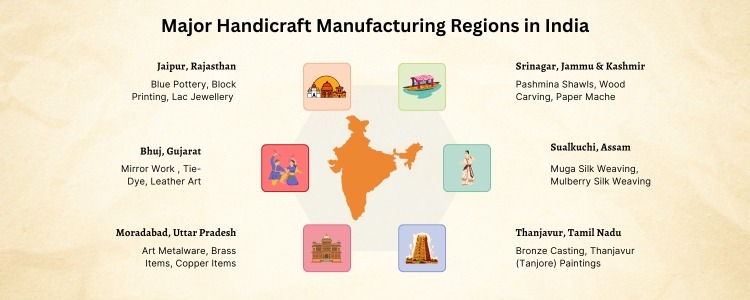
What Sourcing Channels Are Available for Buyers?
There are many ways international buyers can source handicrafts.
Trade Shows
India has many international trade fairs for handicraft and home decor items. At the trade show, international buyers can meet directly with manufacturers, check the quality of their products and negotiate purchases.
Export Houses & Sourcing Agents
Buying from different artisan groups or manufacturers is easier through export houses; they represent many different artisans and have access to many different product lines. Sourcing agents help buyers connect to reliable suppliers and ensure that quality checks are done.
Digital Marketplaces
Most exporters post their products online on indian handicrafts digital platforms, which allow buyers to peruse collections and start placing orders. Digital sourcing is particularly beneficial for buyers who do not travel frequently to manufacturing centers.
What Trends Will Shape Handicraft Exports in 2026?
As the world evolves, the needs of consumers change as well. The following trends will likely influence global handicraft exports in the future.
Ecologically Conscious Materials
There will be more demand for products made of natural fibres, recycled materials and biodegradable packaging.
Simple or Minimalistic Designs
Handcrafted items are generally preferred by most modern-day consumers because they feature a simple and elegant style, rather than an ornate decorative style.
Cultural Heritage and Storytelling
Retailers will continue to provide retailers with information about their handcrafted product’s cultural heritage and the story of the craftsman’s; thus adding value to the product emotionally.
Exporters who can mix traditional skilled craftsmanship with modern style will be a majority in the global handicraft market.
Conclusion
The Indian Handicraft industry has many possibilities for global buyers who want to find unique, culturally-oriented products. The country has many different styles of artisanship that can be found in wooden home decor, hand-woven textiles or hand-made jewellery with numerous different possibilities for export.
Sourcing for success means selecting suppliers, ensuring the quality of products, and planning for logistics. Buyers can find ways to build strong supply networks for Indian Handicrafts Items by working with experienced exporters and understanding how consumer preferences change.
Because of global demand for sustainable and handmade items online, the Indian Handicraft Industry is expected to continue to play a significant role in the globally artisan economy.

Diptanshu
Leading research and marketing at Inductus Global, Diptanshu drives the company’s vision to transcend traditional trading through thought leadership in import-export. He spearheads a research-driven approach that prioritizes quality over price arbitrage, positioning Inductus as a strategic sourcing partner rather than a transactional intermediary. His work spans market intelligence, supply chain innovation, and trade dynamics, while playing a key role in sales and business development.






One Reply to “Best Indian Handicrafts Items to Export in 2026: A Buyer’s Sourcing Guide”
Wholesale Indian Handicrafts Items : Customs Clearance Guide
02 Sep 2026[…] planning to import Handicrafts items can significantly reduce customs-related risks by investing in careful preparation and working with […]