

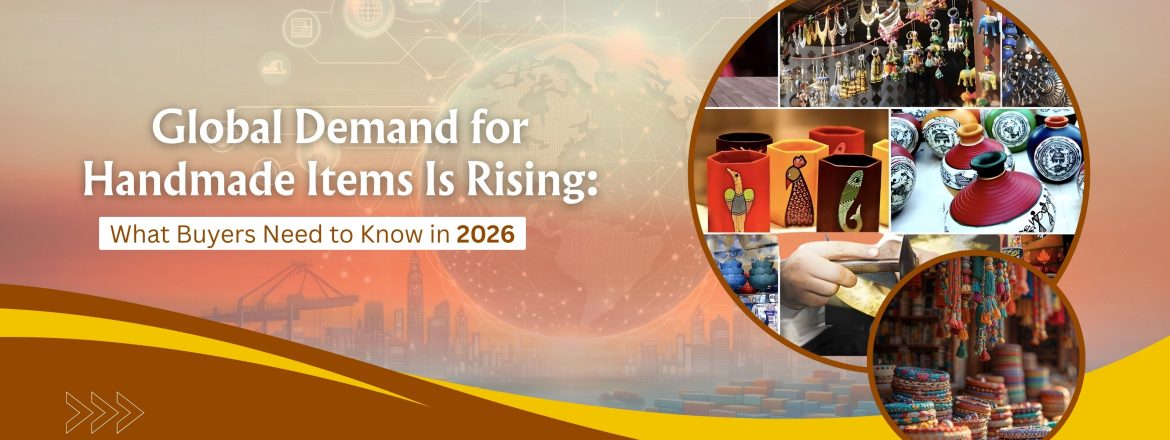
Global Demand for Handmade Items is Rising: What Buyers Need to Know in 2026
There is a global shift that is happening slowly but powerfully in the current economic environment. More and more consumers are turning away from buying goods from factories and choosing handicraft items that reflect their individuality and have a sense of history and craft. The rapid increase in demand for handmade products, especially those made in India, is representative of the rise of consumer purchases made by mindfully conscious consumers.
By 2026, this will be a widely accepted trend and no longer considered niche but rather mainstream. Conscious consumerism, sustainability issues, and the desire for product authenticity are some of the driving forces behind why this is now happening. Retailers, importers and independent entrepreneurs need to understand the evolving marketplace in order to make informed purchasing decisions.
A Resurgence Rooted in Authenticity
Handmade goods have an innate charm that can add to their value due to their uniqueness when compared to mass-produced items; each handmade product tells a story from a specific area, or craft, that has been passed down for centuries through many generations of craftsmen.
India’s craft industry is a great example of this story-telling aspect of handmade goods. Hand-carved wood products from Saharanpur, traditional textiles from Rajasthan, and various other Indian crafts represent a wide variety of artistic creative expressions.
As consumers become more appreciative of the cultural aspect associated with the purchase of handicraft products, there is also more frequent purchasing of Indian handicraft products; therefore, whether it be at international fair events or through on-line marketplaces…the demand for Indian handicraft products continues to grow steadily every year.
Key Market Drivers in 2026
Several factors have led to increased consumer interest in artisan-created products. A few examples are:
- Consumers are demanding more eco-conscious brands and products that are made with low energy and minimal industrial waste. Artisan goods are typically created in much lower energy usage ways and use minimal industrial waste, making them more sustainable.
- Artisan goods cannot be mass-produced, so there is a sense of individuality with each purchase. Consumers are looking for product lines that have unique characteristics; for example, consumers who want unique and differentiated home décor products will pursue handmade home décor items.
- Consumers have access to more cultures via the Internet, and there is greater appreciation of cultural diversity. As a result, consumers have a greater understanding of the richness of Indian craftsmanship, for example, and how its designs are applicable in the global marketplace.
- The advent of digital marketplaces such as Etsy, Amazon Handmade, and many independent e-commerce sites has made it easier for artisans and exporters to market their and widen their reach to global consumers, thereby increasing exposure and sales of artisan-made products.
What Buyers Should Consider Before Sourcing
With the supply picture looking good, buyers will need a defined approach when procuring.
Vendor consistency
Suppliers need to deliver a consistent level of quality for handmade items. Buyers should work closely with suppliers to ensure an acceptable level of consistency.
Supplier Trustworthiness
It is also important to verify the legitimacy of suppliers. Typically, exporters with established reputations tend to give you better service, quality, and reliability.
Ability To Scale
A major issue with handmade products is the ability to scale production. The buyers dealing with large quantities of products (especially if they are seeking wholesale crafts) will need to confirm that their suppliers will be able to deliver the required quantity in a reasonable timeframe.
Price Transparency
Prices can vary significantly by craft, materials, and labour. Therefore, buyers require a good understanding of price structures to aid them in finding reasonable pricing.
Emerging Product Trends in Handmade Home Décor
Handcrafted home decor created in India is becoming increasingly popular, and there are several specific product types that are particularly popular right now.
Eco-Friendly Materials
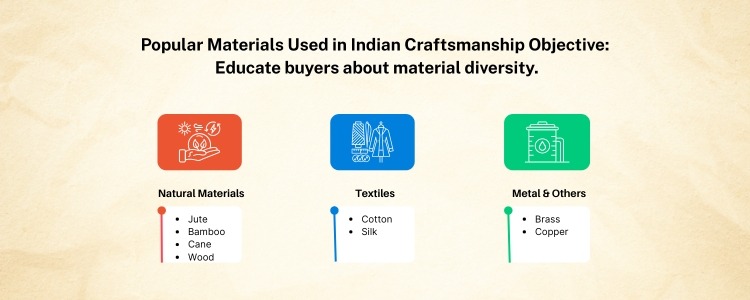
Eco-friendly home decor products such as jute bags, cane baskets, terracotta pots and bamboo furniture are all gaining popularity.
Simplicity Over Complexity
Even though there is still a strong presence of traditional home decor products, the trend is moving toward Simple Designs. Urban, globalized consumers are interested in hand-crafted simple designs that will work in their homes and meet their needs.
Combining Old with New
Fusion home decor products that combine traditional craftsmanship with contemporary design are being embraced by young consumers in India.
Art that Serves a Purpose
Art is becoming functional. More and more people are looking for hand-crafted decorative items that are also functional decorative products, such as hand-made lights, storage units and hand-crafted furniture.
These trends indicate that the Indian handmade product mix provides a wide range of options for different market segments.
Export Opportunities and Market Expansion
Growth in handmade exports from India has been steady since the inception of government incentive programs and the increasing global demand for these products. Other than India, the U.S., Europe, and the Middle East continue to be strong markets for Indian handmade products.
If you are thinking about entering this market, there are several things you should be aware of, including;
– Trad Regulations: Knowledgeable of all import duties and compliance requirements
– Logistics Planning: Shipping and packing your products to prevent damage
– Regional Market Preferences: Selecting products based on regional taste
Additionally, as interest in home decorative products continues to increase throughout the world, more people will continue to be interested in decorating their homes with mouthful words.
Challenges in the Handmade Sector
Although this sector has the potential to grow, it has encountered various structural impediments:
The Supply Chain is Disordered
Artisans are frequently separated and fragmented, with scattered and small production units which complicate the process of communicating with each other.
Skill Preservation
The subsequent generations are mostly leaving behind the traditional form of handicrafts; this poses a risk to the long-term sustainability of artisanship.
Quality Assurance Problems
Without adequate systems to ensure that standards are adhered to from batch to batch, the implementation of consistent quality control procedures can be difficult for all parties involved in production.
These problems indicate the necessity for purchase of goods to be established through long-term and reliable supplier relationships as opposed to engaging in one-time purchases.
The Role of Technology in Shaping the Future
Innovation through technology is increasingly constituting the foundation for closing any existing gaps within the handmade sector.
- Digital Catalogs: Allow buyers to browse collections without being physically present.
- Blockchain for Authenticity: Providing evidence of product origin.
- AI Driven Demand Forecasting: Helping suppliers ensure that they produce what the market needs.
Each of these services are organizing and making accessible the sector as a whole to provide a viable option for buyers/users from all over the world to participate.
Strategic Tips for Buyers in 2026
To effectively traverse this growing marketplace, these strategies should be taken into consideration for all potential buyers:
- Investment in Supplier Relationships: Building and maintaining long-term relationships with suppliers will allow buyers to create dependable consistency & trust.
- Focus on Niche Product Lines: Products that are tailored to certain niches often yield higher profit margins when sold.
- Utilize Digital Platforms: Digital sourcing provides access to an array of suppliers who would not typically be accessible through traditional sourcing methods.
- Prioritize Sustainability: Sustainable products are likely to be popular for years to come and will provide continued demand.
Keep Up with Trends: Consumer tastes in design and décor change quickly, make sure to stay informed in order to keep up with what the consumers want.

Conclusion
The rising global demand for handmade goods is more than a passing trend—it represents a fundamental shift in consumer values. India, with its rich artisanal heritage, stands at the forefront of this movement.
For buyers, the opportunity is substantial, but it requires careful navigation. Understanding market dynamics, building reliable supply chains, and staying attuned to consumer preferences will be key to success in 2026 and beyond.
As the world continues to embrace authenticity over uniformity, handmade items are poised to play an increasingly central role in global commerce.

Diptanshu
Leading research and marketing at Inductus Global, Diptanshu drives the company’s vision to transcend traditional trading through thought leadership in import-export. He spearheads a research-driven approach that prioritizes quality over price arbitrage, positioning Inductus as a strategic sourcing partner rather than a transactional intermediary. His work spans market intelligence, supply chain innovation, and trade dynamics, while playing a key role in sales and business development.