

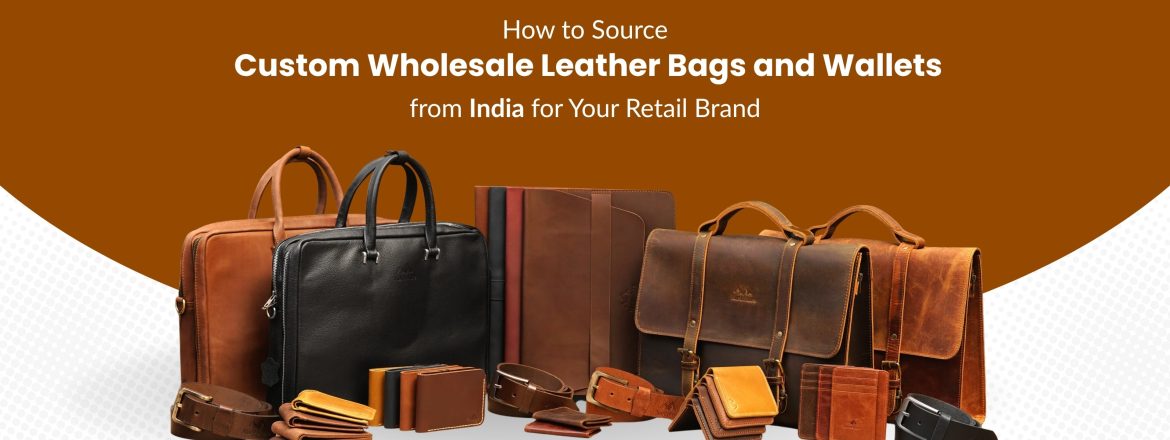
How to Source Custom Wholesale Leather Bags and Wallets from India for Your Retail Brand
Over many years, India’s leather manufacturing has established a reputation for its craftsmanship and scale—both in terms of volumes produced and for pricing advantages compared to other production centres. Global retailers looking for unique differentiation in the global marketplace can strategically benefit from sourcing wholesale leather handbags and wholesale leather wallets from India by combining the high level of craftsmanship from artisans doing business in India with industrial manufacture.
In order to source wholesale leather bags and wallets from India, however, global retailers must fully understand the landscape of the leather industry, including geography, supplier ecosystems, quality benchmarks, compliance requirements, and negotiation practices, to successfully leverage India as a wholesale sourcing destination. This article presents an overall strategy and step-by-step guidance on sourcing custom leather products from India for retail brands interested in developing a sustainable and scalable supply chain.
Understanding India’s Leather Manufacturing Landscape
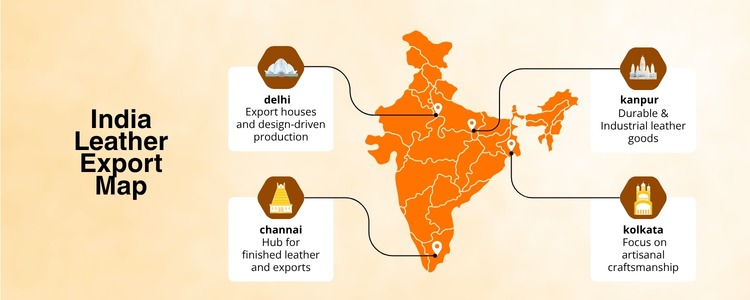
India is one of the largest exporters of leather products worldwide with production clusters in cities like Kanpur, Chennai, Kolkata, and the National Capital Region of New Delhi (NCR). Each of these clusters produces market-specific items such as Kanpur producing heavy weight items, Chennai producing finished leather product, and Kolkata specializing in handcrafted leather goods.
What makes Indian manufacturing competitive is that they have developed a seamless hybrid ecosystem that consists of both large scale export factories and small and medium manufacturers, which creates a tremendous amount of flexibility for buyers to place orders of different volumes and have them customized.
Unfortunately, all of this fragmentation requires buyers to have a lot of patience and diligence when selecting credible suppliers of leather handbags and wallets as the quality of the product and adherence to compliance requirements can vary widely from manufacturer to manufacturer.
Identifying the Right Supplier for Your Brand
Choosing an excellent supplier will create a successful sourcing strategy for retailers. Beyond just pricing, retailers must evaluate suppliers on their reliability, transparency and ability to grow with your needs as well.
Critical Factors for Supplier Selection
Production Capacity – Make sure that your supplier can handle an increase in volume, without affecting the timing of your deliveries.
Customization Capability – Determine whether that supplier has experience creating unique designs, finishes or branding components.
Export Experience – Suppliers with prior experience exporting to international markets have greater knowledge or documentary requirements and compliance related to your products.
Certifications – Supplier adherence to environmental and ethical standards (i.e. REACH compliance, ISO) is important when selecting suppliers.
Supplier discovery is done through trade shows, B2B websites and direct visits to factories; therefore, once you’ve identified potential suppliers using online provider directories, it is important to visit potential suppliers to see how they operate in person so you can identify their operational advantages or disadvantages.
Product Segmentation: Bags and Wallets
Retail businesses use a variety of products to expand their offerings and produce leather wallets and bags domestically in India so that they have a solid base for production of both.
Leather Bags
Indian manufacturers create many styles of leather bags including backpacks, totes, and duffle bags. Strong construction and handmade finishes make these types of bags suitable for both the premium and middle market consumer segments. Retailers searching for wholesale options for leather bags usually find that they can get lower costs per bag due to the economies of scale.
Leather Wallets
Leather wallets are still a complementary accessory with a strong demand from consumers. Leather wallet options are numerous in India, with classic options for men and contemporary styles and colors for women. Most wallet manufacturers provide customization options, such as embossing or RFID protection, for their customers.
Quality Assessment and Material Selection
The quality control of leather-based products plays an important role when sourcing these items. Leather Products suppliers in India will typically work with the following grades of leather: full-grain, top-grain and genuine leather.
Quality Control Parameters
Leather Type: Full-grain leather is durable and develops a natural patina over time.
Seam & Trim: When seams are uniform and edges are cleanly trimmed, it reflects good craftsmanship.
Quality of Hardware: Zippers, buckles and rivets should be durable and resistant to corrosion.
Colour Consistency: Ensuring that all the products in a batch are dyed in a consistent manner will help keep the brand consistent.
Retailers should consider requesting samples from suppliers prior to placing bulk orders and may wish to engage with third-party inspection agencies to verify quality during production.
Pricing, Negotiation, and Cost Structures
There are several different factors that affect the pricing of products made from leather. These include; the quality of the leather, how complicated the design is, the quantity of product ordered and what type of finishing has been completed on the leather itself. Indian manufacturers tend to be lower priced than other manufacturers around the world; however, it is very important to get a full breakdown of charges as to the costs associated with manufacture.
Best Negotiation Practice:
– Request a full detailed quote (listing the cost of materials/labor/logistics)
– Try to purchase in larger quantities to receive better pricing
– Clarify your payment terms – common methods are; prepayment, balance due upon shipment.
While it is important to keep pricing in mind, you do not want to sacrifice quality for the sake of price. Sometimes when you see very low pricing, it can mean that corners have been cut in material quality or workmanship.
Logistics and Supply Chain Considerations
Maintaining inventory flow greatly depends on efficient logistics. India has various shipping choices (sea freight and air cargo) depending on how quickly you want the products sent to your destination and how much you wish to pay for shipping.
Logistics Planning Tips: Manage Lead Times: In addition to producing the actual product, you will also need to factor in the time required for quality control checks and shipping.
Product Packaging Standards: Make sure all products are packaged properly to avoid damage once they are in transit.
Freight Forwarders: Work with logistics companies that are experienced to simplify your shipping process.
In addition to the logistics planning necessary, you also need to understand what your target market’s importing duties and regulations are so that you can avoid any unexpected costs when importing goods.
Building Long-Term Supplier Relationships
Sourcing isn’t just a one-time transaction; it is a long-term relationship. If you build a good rapport with your supplier, you will be rewarded with better prices, priority manufacturing, and collaboration in product development.
Relationship Building Strategies
Communication: Provide your supplier with as many technical specifications and feedback as possible.
Visit Your Suppliers Regularly: By visiting your factory regularly, you will strengthen trust between your company and your supplier which will help to create accountability throughout your entire supply chain.
Collaborate on Development: Work with your suppliers to help design and develop new products or to make improvements to your current products.
Ultimately, good supplier relationships may become strategic partnerships, ultimately giving your brand a competitive advantage in the marketplace.
Challenges and Risk Mitigation
India has many advantages for sourcing; however, sourcing from there can still have some difficulties like inconsistent quality, communication issues, and long shipping times.
Risk Management Options:
Conducting proper due diligence will help you evaluate a supplier before entering into business with them. Using written agreements to define product quality expectations and delivery timelines will also help you manage risk. To minimize reliance upon any one supplier, ensure you have a secondary supplier available to fulfill your needs if an issue arises with your first choice. The proper management of identified risks will assist you with maintaining your business operations smoothly and without disruption.

Conclusion
Sourcing leather bags and wallets from India requires a structured approach if retail brands are looking for quality products, tailored solutions, and economical options. By using a systematic method that focuses on selecting suppliers, maintaining quality control, ensuring compliance, and building strong relationships with suppliers, retail brands can create a solid and scalable supply chain.
As India’s leather industry continues to develop as a blend of traditional and modern-day manufacturing methodologies, retail brands that take the time to learn this market will see significant benefits in terms of differentiating their products and long-term profitability.

Diptanshu
Leading research and marketing at Inductus Global, Diptanshu drives the company’s vision to transcend traditional trading through thought leadership in import-export. He spearheads a research-driven approach that prioritizes quality over price arbitrage, positioning Inductus as a strategic sourcing partner rather than a transactional intermediary. His work spans market intelligence, supply chain innovation, and trade dynamics, while playing a key role in sales and business development.