

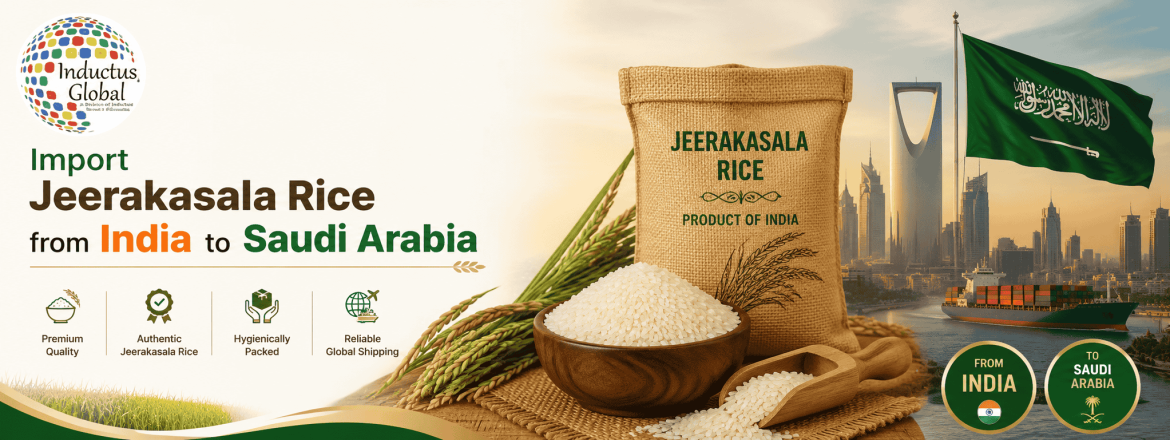
How to Import Jeerakasala Rice from India to Saudi Arabia: Process, Price & Quality
Jeerakasala Rice: Quality, Cultivation, and Sourcing in India
Jeerakasala rice, also called Kaima rice, is a standout aromatic variety from Kerala, India. It’s not basmati, but it’s got a small grain, a striking aroma, a soft bite, and an unmistakable depth of flavor. Chefs love it because it soaks up spices beautifully without turning mushy. That’s why it’s a top pick for true Malabar biryani and lots of classic Middle Eastern dishes. These days, you see more restaurants, caterers, and even households in Saudi Arabia reaching for Jeerakasala rice.
They want that premium grain for biryanis, festive spreads, or when a dish really needs to impress. Jeerakasala Rice export from India to Saudi Arabia marks a history of hundreds of years, with an estimated 300-800 Tons exported annually, making it a valuable commodity of trade. The mushy grains are easy to digest and flavorful, especially in Saudi Arabian dishes like Saudi Al-Kabsa and Roz Bukhari, making it a demanded product worldwide.
Why is India a key market for Non-Basmati Rice?
India stands out as one of the top exporters of non-basmati rice. That’s not by accident; years of experience, rich soil, predictable weather, and solid irrigation all play a part. Farmers here grow a wide variety of non-basmati varieties, like Sona Masoori, Ponni, IR64, Matta, Swarna, and Jeerakasala. These grains end up everywhere: Saudi Arabia, the UAE, Oman, Qatar, Kuwait, Bahrain, Europe, Africa, and across Southeast Asia.
Jeerakasala rice, in particular, has really made a name for itself. People love it for its aroma and how well it fits into just about any dish. Cooks use it for biryani, pulao, classic Gulf recipes, and all sorts of restaurant specialties. Its reputation keeps growing, drawing interest from food manufacturers, wholesalers, and hotels around the world.
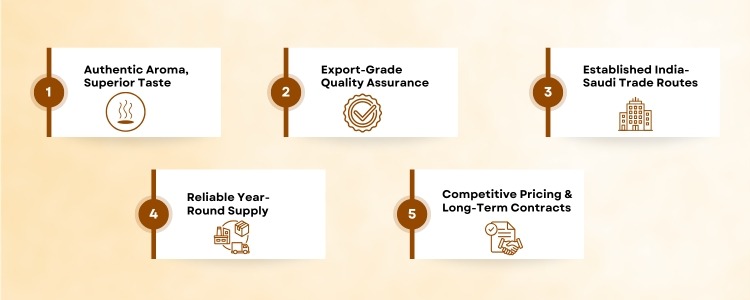
Practice to Procurement: Guide to Import Jeerakasala Rice from India to Saudi Arabia
- Quality Standards:
Indian Jeerakasala rice is grown with close attention to detail, so every batch keeps its unique aroma, uniform grains, and stays pure and fresh. The processing? It’s state-of-the-art. Machines clean, grade, and sort the rice, then package it in a way that locks in its natural flavor and quality. Quality checks happen at every step, so it meets the high standards needed for export.
This rice isn’t just about looks; it cooks beautifully and gives off that unmistakable fragrance. No wonder Saudi Arabia values it so highly. In hotels, stores, and restaurants, Jeerakasala rice sets the stage for premium biryani, and that’s a big deal. Its performance in traditional recipes makes it a favorite across the entire food industry there.
- Required Documentation:
Exporters sending Jeerakasala rice to Saudi Arabia need to have all their paperwork and certifications in place. That means securing an Import Export Code (IEC), registering with APEDA, making sure everything lines up with FSSAI standards, and having documents like the Phytosanitary Certificate, Certificate of Origin, Commercial Invoice, Packing List, Bill of Lading, and Quality Inspection reports. Sometimes buyers ask for extra proof, like ISO, HACCP, or other food safety certifications, and exporters should be ready to provide those too.
On the other side, Saudi importers have their own checklist. They need to follow all customs rules, meet the country’s food safety and labeling standards, and handle documentation right from the start. When both parties do things by the book, customs clearance runs much more smoothly and trade flows without hiccups.
- Logistics & Trade Routes:
India and Saudi Arabia have built a strong shipping partnership that keeps rice exports flowing smoothly year-round. Top Indian ports like Kochi, Mangalore, Chennai, Tuticorin, Nhava Sheva (JNPT), and Mundra handle shipments headed to Saudi ports such as Jeddah Islamic Port, King Abdulaziz Port in Dammam, and King Abdullah Port.
The shipping process is well-organized, with containerized cargo, straightforward customs, efficient freight forwarding, and frequent vessel departures all combine to deliver rice on time. This mature logistics setup cuts down on supply chain hiccups and keeps the commercial rice trade steady between the two countries.
- Pricing & Contract Roles:
The price of premium Jeerakasala rice from India usually depends on things like crop quality, the time of year, how the rice is packaged, order size, shipping costs, and what’s happening in the market. You’ll typically see export prices anywhere from USD 700 to USD 1,100 per metric ton for top-quality shipments, but those numbers move around with the market. For Saudi importers, having clear, detailed contracts matters a lot.
These contracts lay out everything: cost, quality, payment deadlines, delivery timing, inspection steps, and ways to resolve disputes. If you’re looking for a steady supply and predictable costs, signing long-term agreements with reliable Indian suppliers really makes a difference. It’s the smart move for consistent, hassle-free rice sourcing.
Advantages & Risks Involved
Bringing in Jeerakasala rice from India is a smart move for Saudi businesses. You get top-grade rice, good pricing, huge production capacity, plus exporters who actually know what they’re doing. India’s farming experience means you can count on a steady supply and quality year-round. And let’s not forget, demand for specialty rice is rising fast, especially in hotels, catering, and stores. Still, you’ve got to watch out for a few things.
Prices can swing because of weather, currency shifts, freight costs, or new regulations. Sometimes, supply-demand gets out of balance. If you work with suppliers you haven’t checked out properly, quality can dip. Late paperwork or shipping delays can throw off your inventory plans.
So, what works? Get to know your suppliers. Put clear details in your contracts. Check the product before it ships. Keep communication honest and open. Build relationships for the long haul, not just one-off deals. This approach helps both sides, strengthens India-Saudi business ties, and encourages steady growth everyone can depend on.
Conclusion: For long-term Success and Trading in India-Saudi Arabia
Jeerakasala rice export from India to Saudi Arabia is not only a mere trading practice but also shares a deep culinary bond with ancient cooking practices. This marks a good opportunity of mutual benefit in markets between India and Saudi Arabia, strengthening International ties.
India’s profound agricultural practices has supported Indian suppliers with abundant resources, proven a stable export track record, rigorous quality checks, smooth logistics, making it a reliable source worldwide of premium Basmati and Non-basmati rice for long-haul.
If you’re running a wholesaler, distributor, retail outlet, or food-service operation and you want a steady supply, the smart move is to choose export partners who know how to deliver on quality, stick to regulations, and keep shipments on schedule. Inductus Global is ready to step in, offering stable sourcing, efficient trade facilitation, and procurement strategies that help you grow and stay competitive in the Saudi market.

Pratibha Soni
I write where strategy meets storytelling. As a passionate writer and literary enthusiast, I craft business-focused content that transforms trading insights into compelling narratives. Drawn to global business ecosystems, I enjoy turning research, innovation, and ideas into content that informs, connects, and inspires. With an analytical mind and a creative soul, I bring curiosity, collaboration, and a sharp eye for detail to every project. Adaptable and growth-driven, I believe the right words do more than communicate; they leave an impression.