


Bulk Buying Footwear? Here’s How to Avoid Fake Leather Traps
In 2024, the global footwear market crossed US $412 billion and is expected to grow by 4.3% CAGR by 2030. The US alone contributes more than 25% of global footwear imports, making it a major destination for exporters. Amidst this increasing demand, fake leather remains one of the top worries for wholesale buyers, especially sources from Asia.
For cheap wholesale shoe distributors in the US, partnership with certified and verified wholesale footwear suppliers is no longer an option. This is a need to protect brand trust and operational profitability.
As one of India’s reliable footwear sourcing companies, we help global buyers avoid fake leather nets, taking advantage of India’s growing lead. India is now a certified leather exporter and has crossed USD 4.87 billion in FY24 (Ministry of Commerce). So, now the customers as well as buyers can access the high quality of leather footwear at very reasonable/competitive prices compared to other countries.
Why Real Leather in Bulk Orders Matters
A fake leather product can damage the brand image due to poor quality. Some more hidden risks are mentioned below:
Aspect | Real Leather | Fake/Bonded Leather |
Durability | 3-5 years minimum | 6-12 months |
Customer Trust | High | Low (due to peeling/flaking) |
Regulatory Compliance | Certified (REACH, etc.) | Often fails chemical standards |
Long-Term Cost | Lower (due to fewer returns) | Higher (due to replacements) |
5 Hidden Loopholes in Wholesale Leather Shopping
Wholesale buyers and wholesale footwear suppliers should beware of these general disadvantages:
- Oral Claims
Many women’s wholesale footwear suppliers sell products without any proof they are of “100% leather.” Always demand a certificate and sample test.
- Ignoring the Inspection of The Physical Sample.
In large orders, not checking with hands can lead to expensive mistakes. Always ask for physical samples and get approval before final wholesale production.
- Relying on the Surface Texture
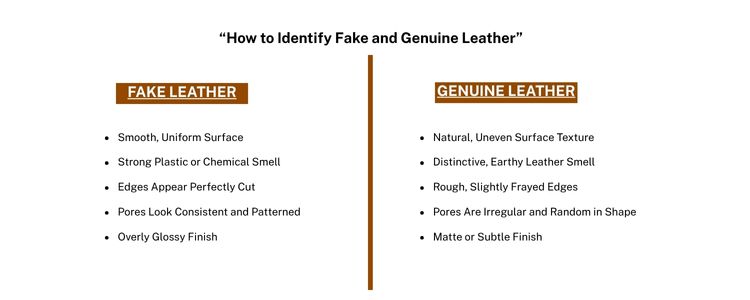
Fake leather often looks shiny but does not have depth in the texture of its fibres. Real leather texture is natural and inimitable.
- Skipping the Smell and Touch Tests
Real leather has a specific soil-like smell and is soft but firm. Fake leather looks very smooth and smells like plastic or chemicals.
- Slacking Country-Specific Compliance Tag
For American-dominated products, ensure compliance with American CPSIA guidelines and avoid suppliers devoid of reach or BIS certification.
How to Secure Your Footwear Sourcing?
Here are some points explained to secure the footwear sourcing:
- Identify Potential Suppliers:
Start by researching and selecting wholesale footwear suppliers or bulk footwear suppliers in areas like India and nearby countries. Focus on suppliers with verification credentials, export history, and certified material sources. - Request Material Certificates:
Before discussing pricing, ask the supplier to share the certificate confirming the authenticity of the leather. See Reach compliance with Indian manufacturers, ISO standards, or BIS certification. - Request Physical Samples:
You should not make a wholesale order before inspecting the samples of the real product. Test the quality of the leather, finishing, stitching, and general workmanship on the actual samples. - Basic Field Tests:
To detect fake leather, do simple checks such as touch, smell, and texture tests. Real leather should feel slightly granular, have a soil-like smell, and have a naturally incompatible texture. - Third Party Laboratory Tests Required (first order):
The suppliers, then, will deliver sample items to independent laboratories, which will test them chemically and on materials. It will make sure that the lab reports are available to support the claims of the supplier. - Put Leather Contents in Contracts:
Seemingly, it would be wise to state the needed amount of leather percentage (e.g., 100% complete-anaz leather) in writing the contracts and provide an offence and/or a replacement material penalty in case of non-compliance.
Once an Item is Verified, It Should be Approved For The Production.
Once samples have been approved physically as well as after going through lab testing, grant written authorisation to embark on bulk production.
- Make Sure that Regulations are Followed
Establish that the products are country compliant, e.g., EU (REACH), USA (CPSIA), and India (BIS). This assists in simplifying customs clearance and acceptance of the market. - Carry out Pre-Shipment QC Checks:
Avoid feeling deceived by ensuring that inspected goods are checked before they are delivered by carrying out an inspection or employing quality checkers. - Form Partnerships with Verified Sourcing Firms:
In order to make sure that the companies you have selected perform in a consistent way, you are to collaborate with Indian sourcing firms that have a track record and go to India with the help of these companies and gain access to supplier audits, quality control, and shipping arrangements.
Sourcing from India is Financially Beneficial
India’s position as a footwear sourcing hub is increasing due to these reasons:
- Less labour costs compared to China and Vietnam.
- Certified leather exports are increasing continuously year after year.
- Business-supportive government schemes like PLI and duty drawback for exporters.
- Low MOQ (minimum order volume) flexibility for small and medium-sized buyers.
According to CLE (Council of Leather Exports), Indian leather footwear exports increased by 10% in FY 2024.
Bulk Sourcing Safety Checklist
- Verify the background of the supplier: Research the size, export quantity, certificates, and references to previous customers. Do not deal with unfamiliar suppliers whose track records are not known.
- Request Product Material Certification: The focus should be on the documents demonstrating the quality of leather, like the ISO 17025 test or BIS certification.
- Check samples: Never clean up the order without seeing the samples of the product and feeling them. Ensure that the promised specifications in the sample are in line.
- Do Regional Quality Testing: Use basic trials – Feel the beaming, bend leather, smell for authenticity, and observe the grain patterns. The real leather never looks like plastic or excessive.
- Use third-party test laboratories: When shopping in bulk, invest in laboratory tests for the first consignment. Confirm the presence of leather structure and dangerous chemicals (common in fake leather).
- Documentation of leather content in contracts: Protect yourself legally. It should be specified in contracts:
1. Real leather percentage
2. Punitive provision for substandard or fake materials.
3. Secure regulator compliance tag: - Ensure that the products follow the rules of the destination country (Reach for Europe, CPSIA for America). There may be customs rejection in the absence of certificates.
- Choose a certified supplier: Work with suppliers audited for moral construction and authenticity of materials. India’s CLE (Council of Leather Export) is a reliable source for certified vendors.
- Do a quality check before shipment: Before shipment, inspect the content of finished products, finishing, and defects. If your team cannot visit the factory, use third-party agencies.
- Create long-term partnerships instead of price talks. Priority to reliability and material quality rather than aggressive value deduction. Reliable partnerships provide easy purchases, better payment terms, and better stability.
Conclusion
In today’s competitive market, buyers cannot compromise the authenticity of materials. Partnership with certified wholesale footwear suppliers in India gives you the better cost as well as ensures real leather products that maintain the reputation of your brand.
At Inductus Global, we help the cheap wholesale shoe distributors in the US to get real leather shoes directly from India’s audited factories.