


Why India Is Becoming the World’s Go-To Hub for Leather Footwear Sourcing
India has made great strides in its role as an important player in global manufacturing. One area in which this is most visible is within the leather footwear industry. During the past decade, India has been steadily establishing itself as a preferable sourcing destination for companies looking for cost-effective, quality, and reliable footwear.
The growth in India’s footwear manufacturing industry is not solely due to lower production costs; rather, it stems from a long-standing tradition of skilled craftsmanship, increased manufacturing capacity with a growing number of facilities being established throughout the country, and the increase in emphasis being placed on meeting global standards, developing sustainable business models, and implementing state-of-the-art techniques of manufacturing.
As international footwear brands look to expand their supply chain and develop new sources of procurement, India has established itself as a resilient and future-ready partner.
1. India’s Footwear Industry : A Legacy of Craftsmanship
Leather craftsmanship has been a part of India’s heritage for centuries, and the craftsmanship of the traditional Indian shoemaking community, located throughout several states including Uttar Pradesh, West Bengal, Tamil Nadu, and Punjab, has been passed down for generations. Traditionally, this expertise was not used in organised manufacturing until it became part of modern leather industries in India.
Unlike most other countries in the developed world with a large number of footwear manufacturers, India is one of the few that still incorporates the human element in its craftsmanship process. This includes handmade stitching, precise cutting, and detailed finishing, which make each product unique and durable. This element of craftsmanship is one reason a growing number of international retailers are choosing to source from India when looking for a footwear manufacturing partner.
2. Rapid Expansion in Manufacturing Capabilities
Today, India is the second-largest footwear producer worldwide, producing approximately 10% of all footwear globally. Rapid growth in this industry is primarily due to government incentives, the establishment of state-of-the-art leather clusters, and the development of improved logistics networks. Modern production facilities such as these combine high-quality, fully automated machinery with high-quality artisan expertise, enabling companies to meet large-volume orders while simultaneously delivering high-quality, luxury footwear. The benefits of employing this hybrid approach to manufacturing footwear include the ability to provide a wide variety of products for clients looking for both high-volume manufacturing and premium quality footwear, without sacrificing either aesthetic appeal or durability.
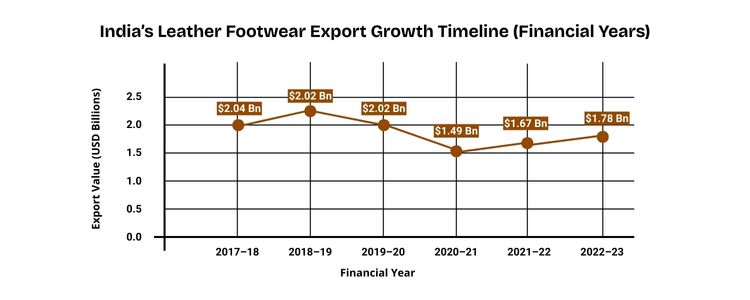
3. Why India Excels in Footwear Sourcing
A large number of global shoe brands are now sourcing their products from India due to its blend of attributes that few countries can match:
1) The combination of very competitive pricing without sacrificing quality.
2) While still being able to keep labour costs low, India has compliance standards and trained personnel that provide manufacturers with the ability to provide high-quality footwear at competitive prices.
3) With a large supply of raw materials, particularly bovine and buffalo leather, which are known for their strength and texture, India is well-placed to offer a variety of raw materials to meet the needs of shoe manufacturers.
4) Manufacturers in India have developed expertise in multiple product categories, which allows them to provide a wide range of products, including business leather shoes, casual shoes, and safety boots.
5) In recent years, Indian exporters have improved their timelines for fulfilling orders, developed improved documentation processes, and provided much improved efficiencies in shipping.
4. Leather Shoes Supplier Network: A Growing Global Force
All of these factors now make India a reliable, long-term manufacturing partner for shoe manufacturers. India has also seen a rapid expansion of its network of specialised suppliers of leather shoes, with many now pursuing international certifications such as ISO, SATRA, and REACH. These certifications will ensure that Indian suppliers are in compliance with the requirements of many countries, particularly in Europe and the United States.
Some suppliers have consolidated their production capabilities and are using modern production methods to provide a ‘one-stop-shop’ supplier of leather footwear; when a shoe is manufactured in an integrated facility, the supplier has full control over the quality of every aspect of the entire manufacturing process and thus reduces the reliance on third-party suppliers and creates efficiencies in the timeline of production.
5. Wholesale Leather Shoes: India’s Value Proposition
Wholesale leather footwear produced by Indian retailers has seen unprecedented levels of global demand, particularly in the higher-end and mid-tier segments of fashion brands. Buyers understand that they can rely on Indian manufacturers who provide the following benefits:
- Competitive MOQ (Minimum Order Quantity)
- High level of flexibility to customize
- Thorough quality assurance programs
- Expert artisanship when creating high-quality leather footwear products
Footwear wholesalers in Chennai, Agra, and Kolkata have established themselves as premier suppliers for many European, Japanese, and Middle Eastern fashion brands and continue to enhance India’s international reputation as a supplier of high-quality, premium leather footwear.
6. India's Advantage in Cost and Scale
India’s primary uniqueness stems from its ability to produce volume without sacrificing the quality of core materials and workmanship, resulting from four primary advantages:
- Very affordable, highly skilled workforce
- Ability to source hides locally
- Rapidly expanding mechanization
- Significantly lower coefficient of variable operating expenses than Western economies
Because of this environment, Indian manufacturers can provide competitively priced leather footwear to both luxury and mass markets, and consequently are a good fit for wholesale footwear supplier relationships.
7. Strengthening India’s Place in Global Supply Chains
India’s improved inclusion into International Supply Chain Management is directly related to the influx of investments flowing toward the development of new ports and highways as well as improvements in digital customs. Exporters receive relief through simplified logistics and a reduction in time to process shipments.
As International brands explore options for sourcing out of one country dependency, India continues to offer a stable political environment, dependable partners, and strong international trade relations with several of the World’s top export markets.
8. The Role of Sourcing Agencies and Global Partnerships
The growing consumer demand for Footwear made in India has also led to increased collaboration between International procurement partners and manufacturers in India. Companies frequently use a sourcing partner to help facilitate and streamline procurement processes, including the selection of Vendors and the performance of quality audits.
Beyond just International manufacturers using sourcing networks to facilitate the procurement of goods from India, Intermediaries such as Sourcing Agents located in the USA rely on Indian supplier networks because of their quick responsiveness, high-quality products, and ability to provide products with high levels of customization and flexibility. These supplier networks have further increased the visibility and trustworthiness of Indian producers in International markets.
9. Sustainability : A Priority for the Indian Footwear Sector
The growing emphasis on Sustainability has fostered a significant shift in the way procurement specialists purchase footwear globally. Indian Manufacturing has begun to incorporate:
- Vegetable Tanning;
- Water Recycling Systems
- Energy Efficient Machinery
- Ethically Sourced Raw Hides
The adoption of these methods and materials improves environmental compliance while increasing India’s desirability among International Brands seeking to produce in an ESG-friendly manner.
10. Challenges and the Path Ahead
While India continues to rise on the global sourcing ladder, it still faces obstacles, including varying prices for raw materials, a slow adoption of advanced automation, and competition from countries with lower wages. Nevertheless, as the government improves its support of the footwear industry through initiatives such as developing more leather clusters, increasing investment in training programs for the industry, and creating improved access to high-quality inputs, these obstacles will continue to diminish. With the momentum of its modernization, India is likely to establish itself as one of the top three footwear-producing countries in the world.
India’s ascendance as a global footwear manufacturing hub is based upon its strong craftsmanship base, efficient pricing, availability of materials, and high level of quality manufacturing equipment. Because of India’s capacity to produce premium products at lower prices than other countries, it is a prime candidate for any global brand seeking a reliable supplier of footwear.
Conclusion : India’s Strategic Ascent in Global Footwear
With its combination of traditional artisan skills and modern manufacturing technologies, India provides an exceptional sourcing environment that will provide support and assistance to all footwear manufacturers worldwide. As global demand continues to increase, India will remain the primary destination for the sourcing of leather footwear around the world for many years to come.

When beginning to establish the foundation for their international sourcing operation, newcomers should incorporate local support as an integral part of their sourcing strategy, which in turn will create systems that are more dependable, scalable, and compliant.
Frequently Asked Questions (FAQ)
Most beginners struggle with evaluating reliable suppliers and managing communication across borders.
Yes. They provide industry knowledge, factory access, and negotiation support, reducing risk dramatically.
By establishing strict specifications, regular quality checks, and detailed approvals before mass manufacturing.
Not always, but it usually offers a better price-to-quality balance when managed properly.
Purchase orders, invoices, certificates of origin, inspection reports, and shipping documents are fundamental.